
Straight for Pay
Lesbian and queer sex workers: Understanding the effects of capital on identity practices and connection to community.
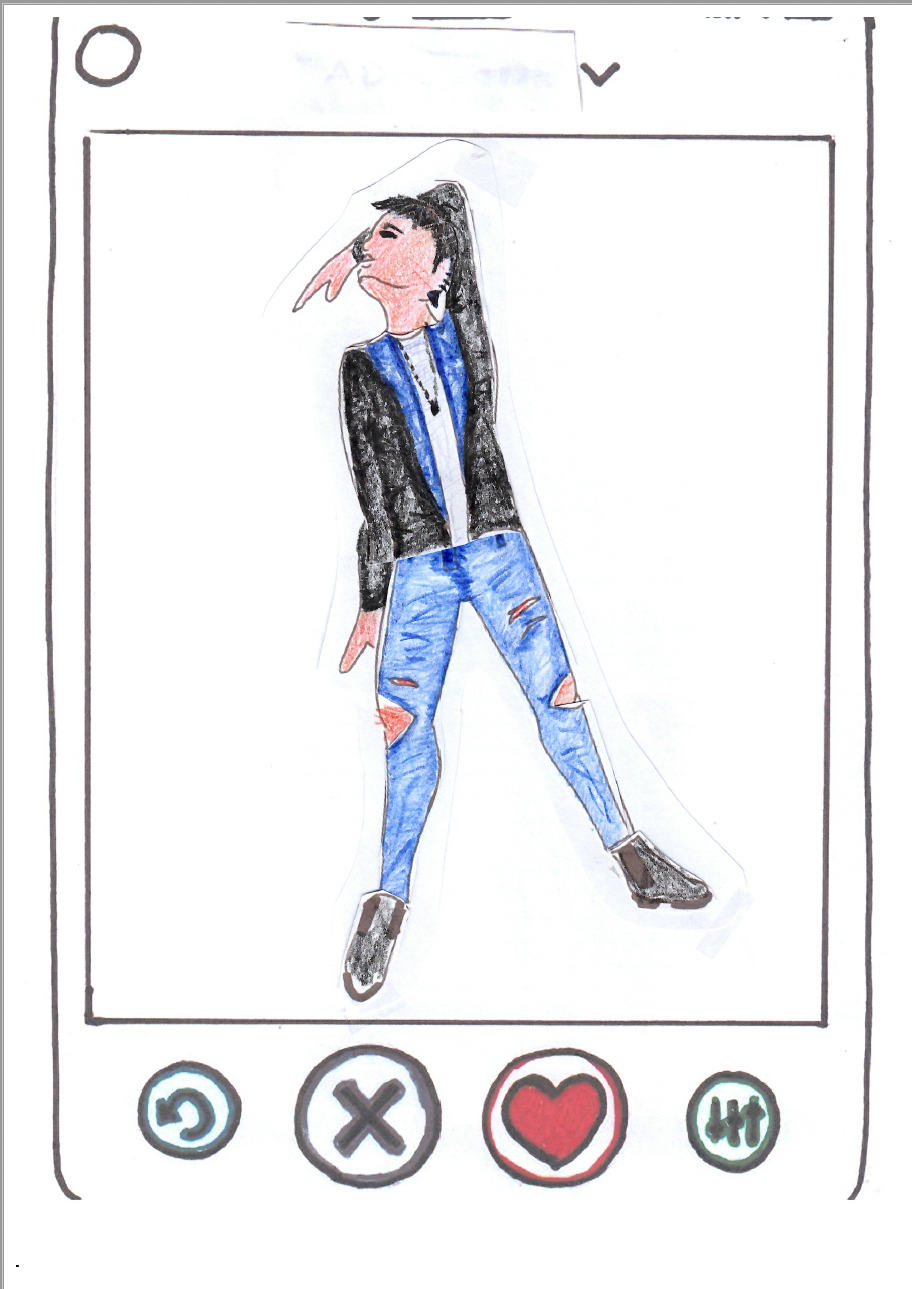
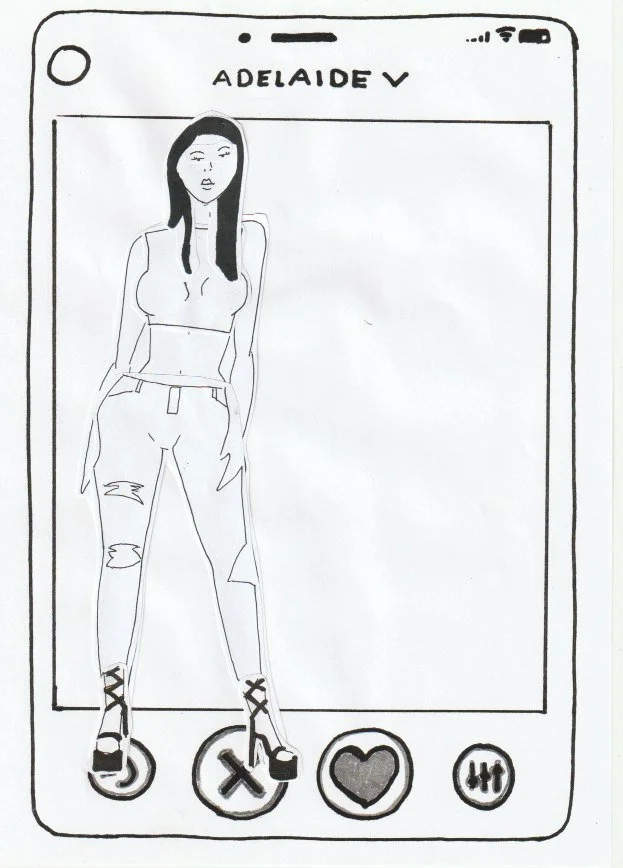
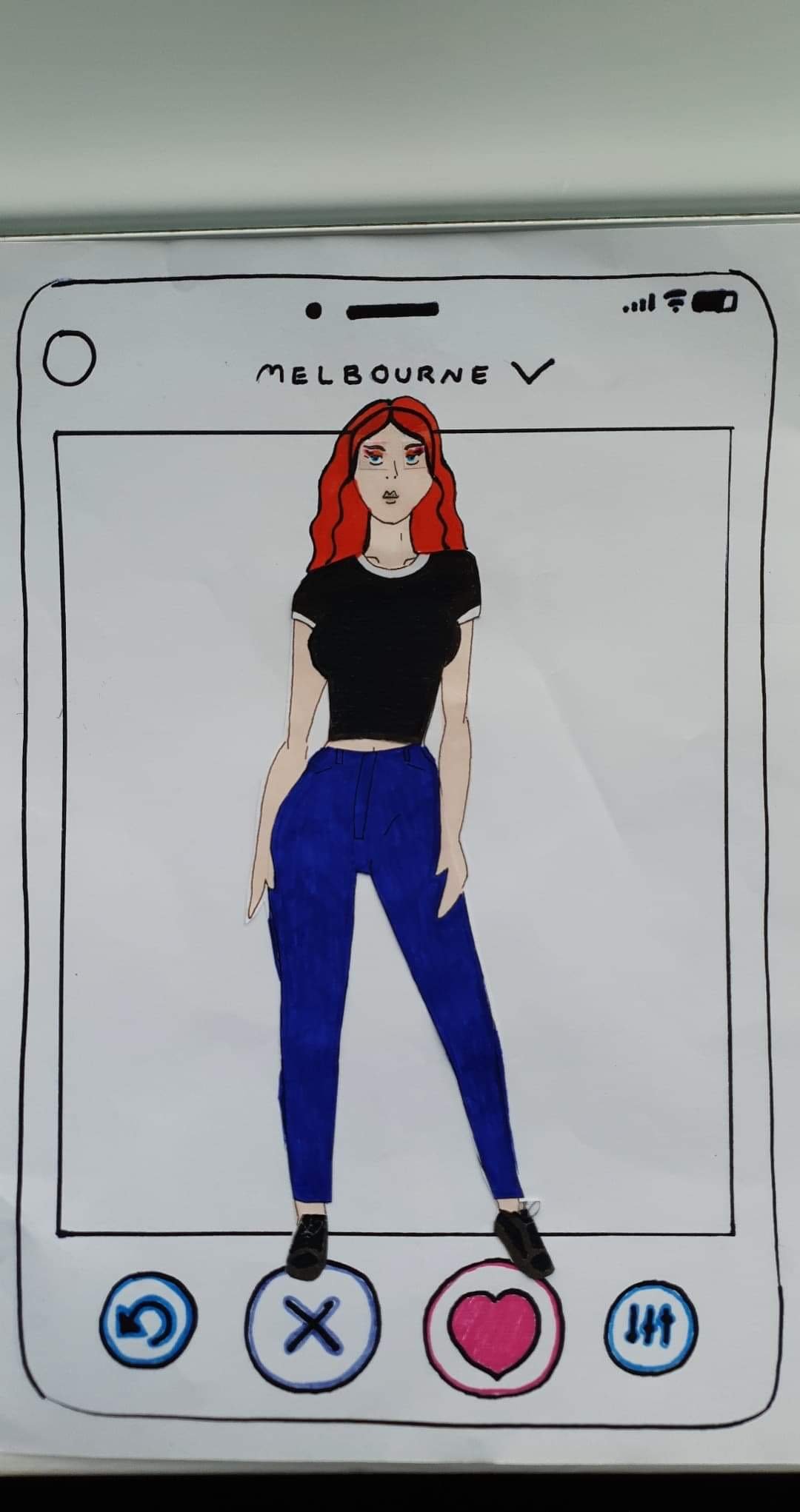
Using a visual research method, collaged paper dolls, I encouraged participants to create a representation of their work selves and their home or queer selves. They are presented here with accompanying capsule bios.
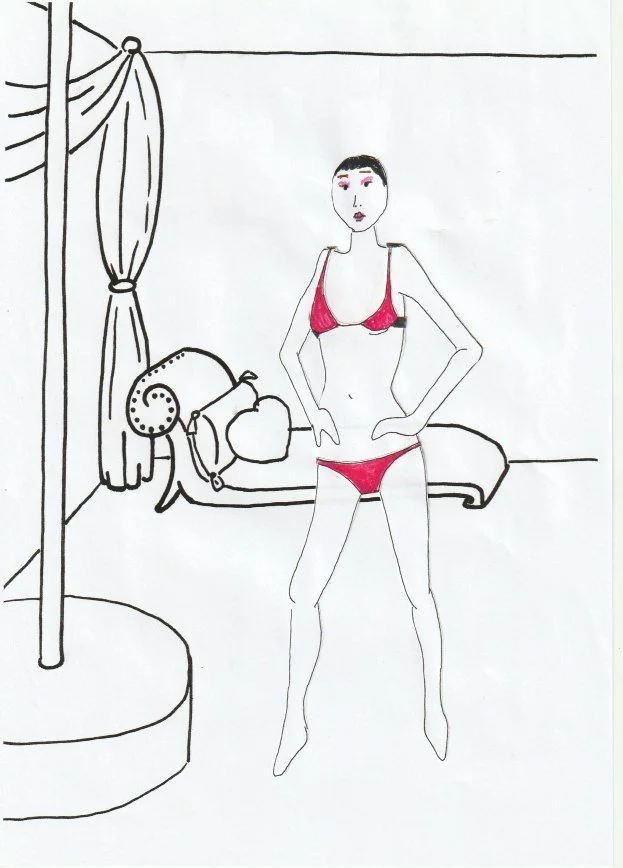
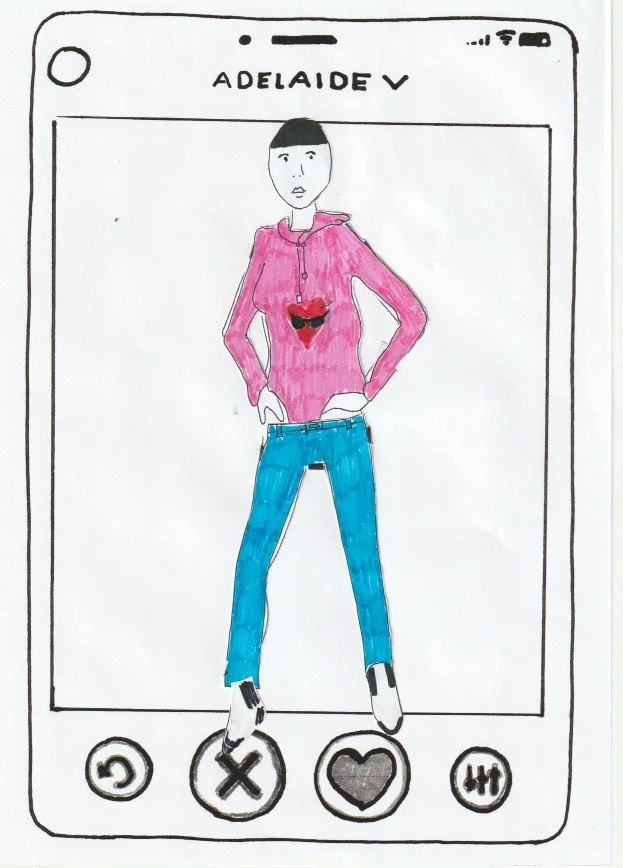
Alexa Alexa became distressed discussing a recent relationship breakdown with a man who had broken it off after she revealed her online camming work. Alexa was very young and appeared to have the least conviction to her sex work, trying to balance this with other work and study. At other times, Alexa seemed secure in her identity as a sex worker, speaking of it as a neutral inevitability for her life path. At times, though, when reflecting on the consequences of working in the sex industry, she seemed regretful. Alexa on the difference between her two identities as visualised through the dolls: But then, honestly, … It’s just like, just take the jeans and the hoodie off and then there’s her… (laughs) It’s the same person! She’s just … happens to be wearing matching underwear that day (laughs).
Alexa
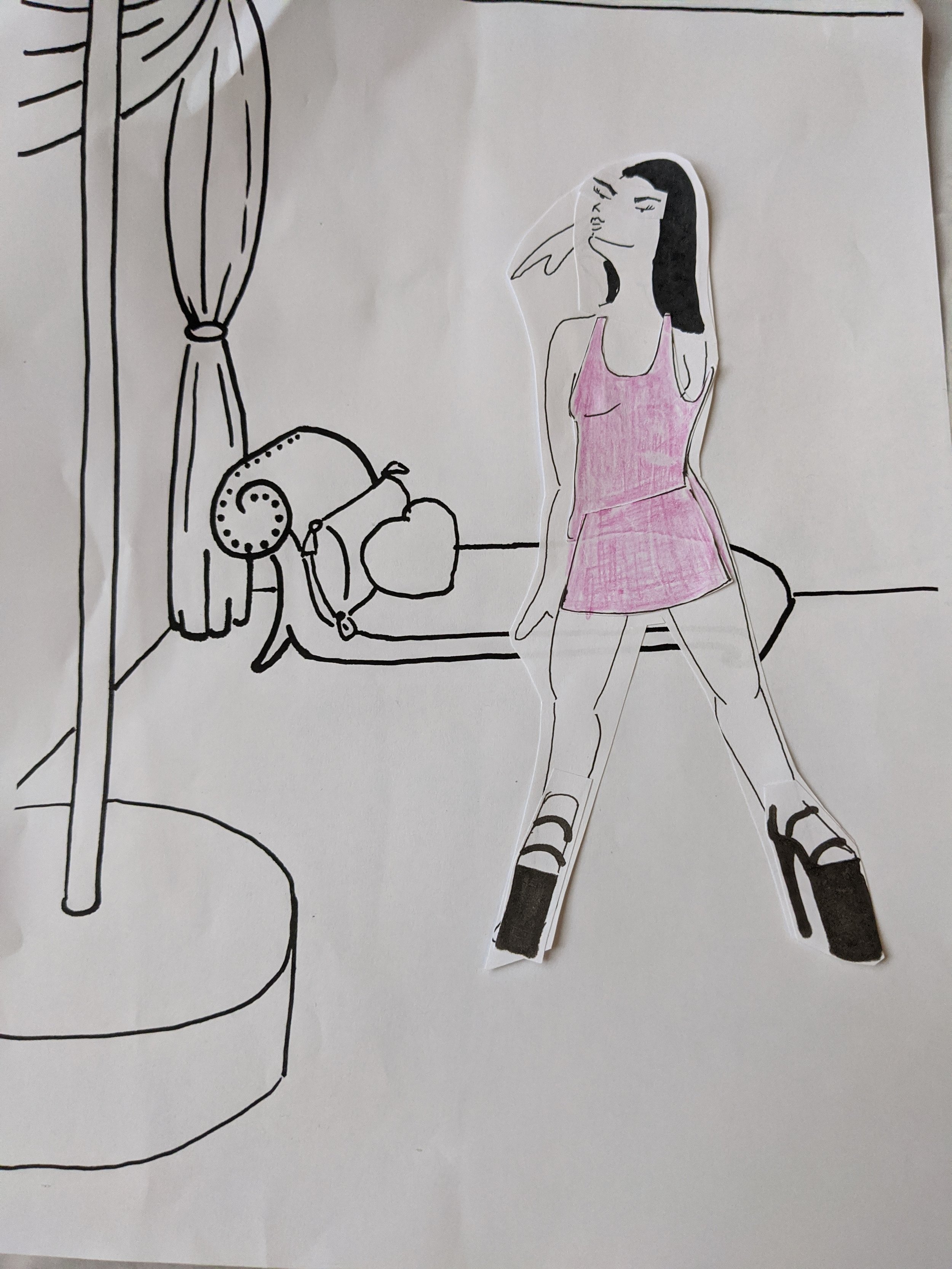
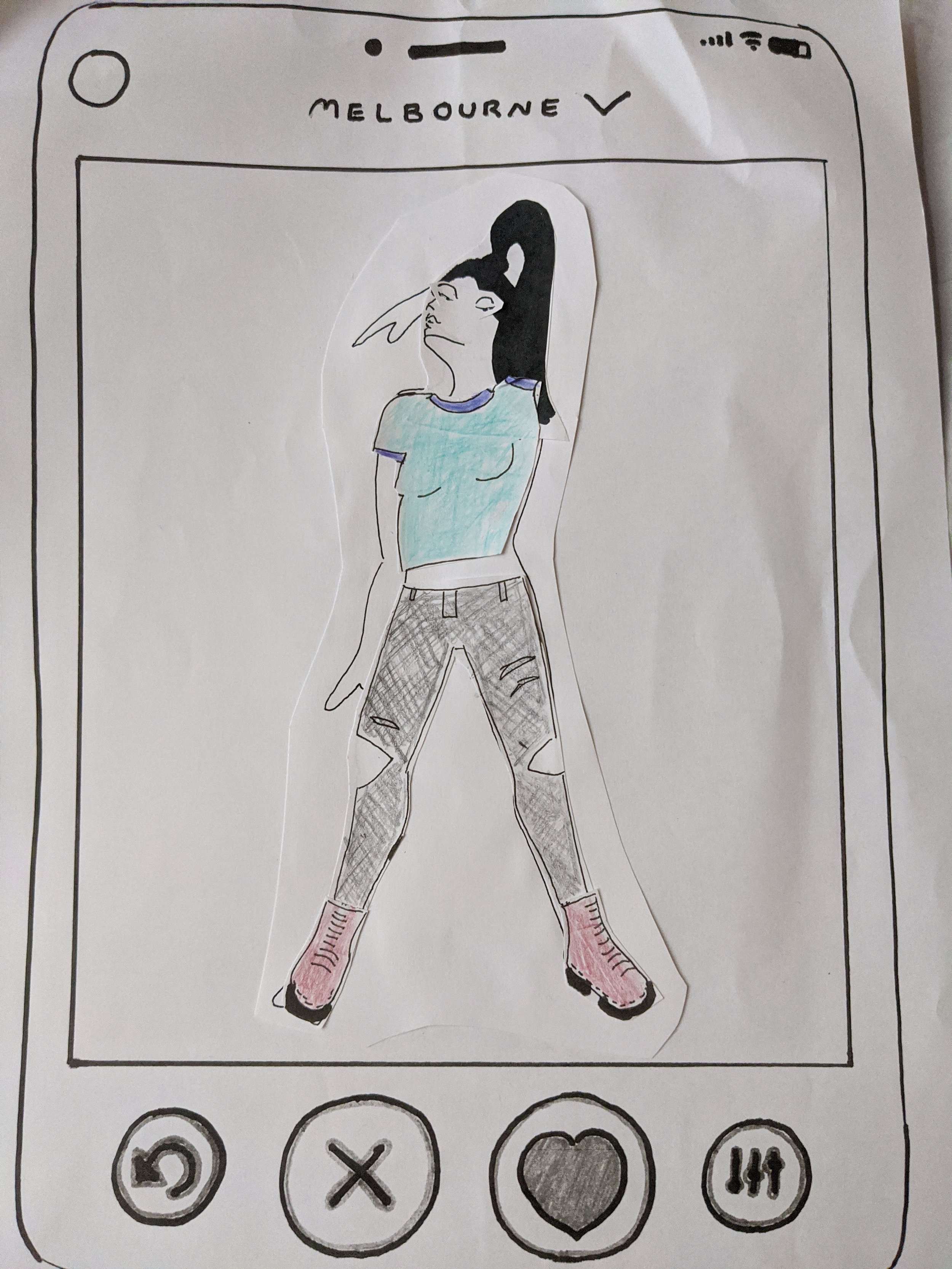
Amy Amy started with BDSM work in her mid-twenties, then moved on to full-service brothel work, but now mainly relied on private bookings. Amy was currently working in the sex industry (pre-COVID- 19) part-time around other interests and had a girlfriend, but also identified as polyamorous and was open to bisexuality, although the majority of her adult relationships were with women. Amy had been working for around seven years and was in her early thirties. Amy on the difference between the Sydney scene compared to the queerness present in her experience of Melbourne brothels: The culture there was very like het, like it was funny. I think in Melbourne all anyone wanted was a double you know, oh like “oh we will get to do a double together, it’ll be so hot” and in Sydney I’d be like “oh I don’t do doubles cos I’m not like that” cos you didn’t want anyone else thinking you were.
Amy
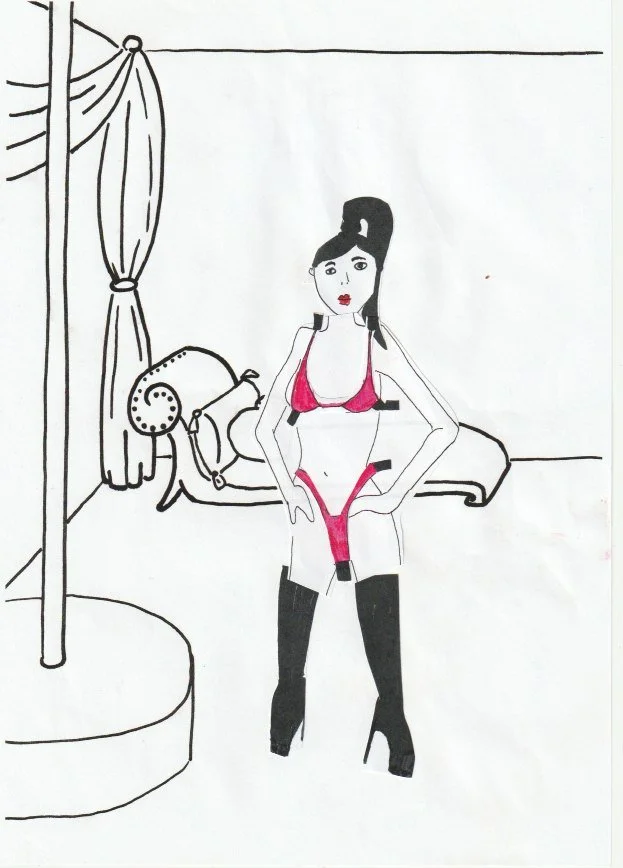
April April worked mostly with her partner V, doing online camming on OnlyFans, private and party strip shows, and topless waitressing. She positioned herself as a businesswoman and it was clear that she was committed to marketing and making the most money possible, while still having fun and enjoying her job. April had a day job in finance, was covered in tattoos, and had been working in sex work for about five years. April on how dating within the sex industry is easier than dating a civ: I couldn’t imagine dating someone that wasn’t in the industry, it would be, harder a lot harder. Cos we can just be like oh we both understand the point of view that its work, we are not interested in it. On how she doesn’t actively seek out friendships within the queer community: I find that I don’t identify with it as much cos I’m a bit more relaxed about everything, like I’m not I don’t give a shit about going out and doing all these marches and whatever, like cos I am from a position of privilege I guess as well, which you know is probably something I need to self-reflect on … but yeh, I just find that a lot of the stuff doesn’t resonate with me as much as it does with people in the queer community.
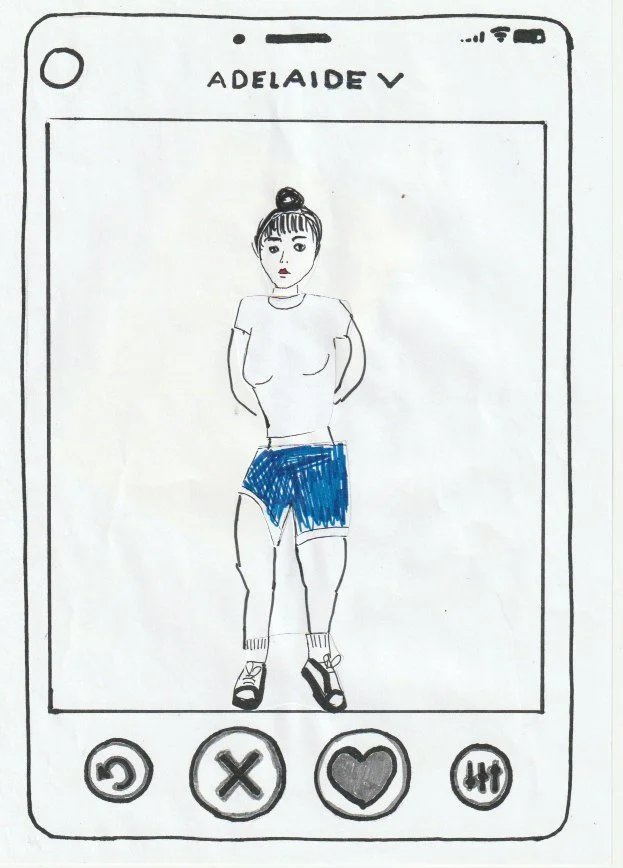
April
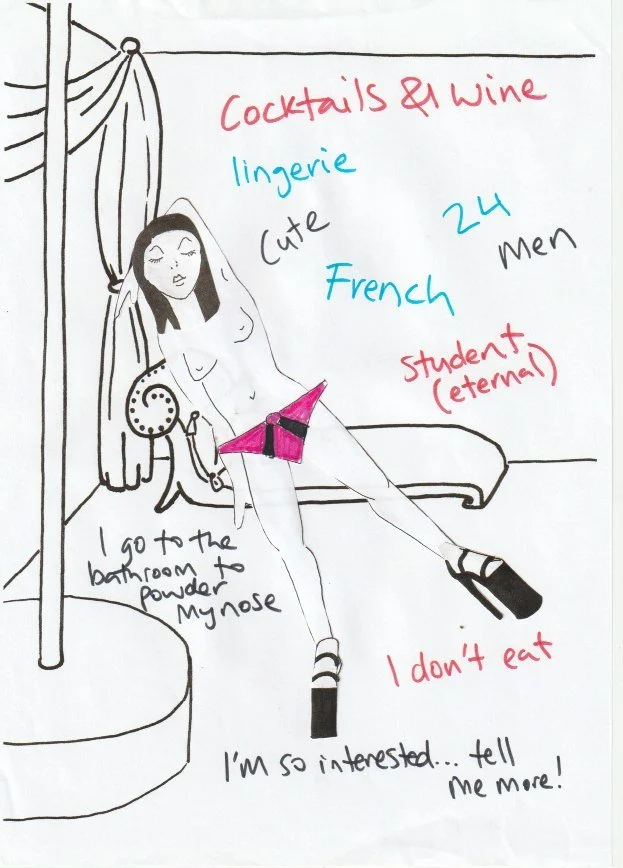
Ava Ava had worked in brothels in Western Australia and Victoria, and had begun as a private worker doing doubles with her then girlfriend. Ava now works in social supports for sex workers after finishing her five-year sex work career. Ava explained her sexuality as queer in that she wouldn’t have a relationship with a man but would have sex with one if the right opportunity presented itself. Ava talked about the value in finding peers, even after she finished working in the sex industry, as a way to understand her experiences. On how her sex work impacted her attraction to men: I didn’t have the luxury of finding one of those really queer friendly or queer dominant brothels that everyone talks about now where like pit hair is cool … that wasn’t the scene that I was in… I was one of the only queer women and I was always fascinated by the women I’d work with who would go home to their cis male partners at the end of the night, and I’m like … how can you even look at another dick?
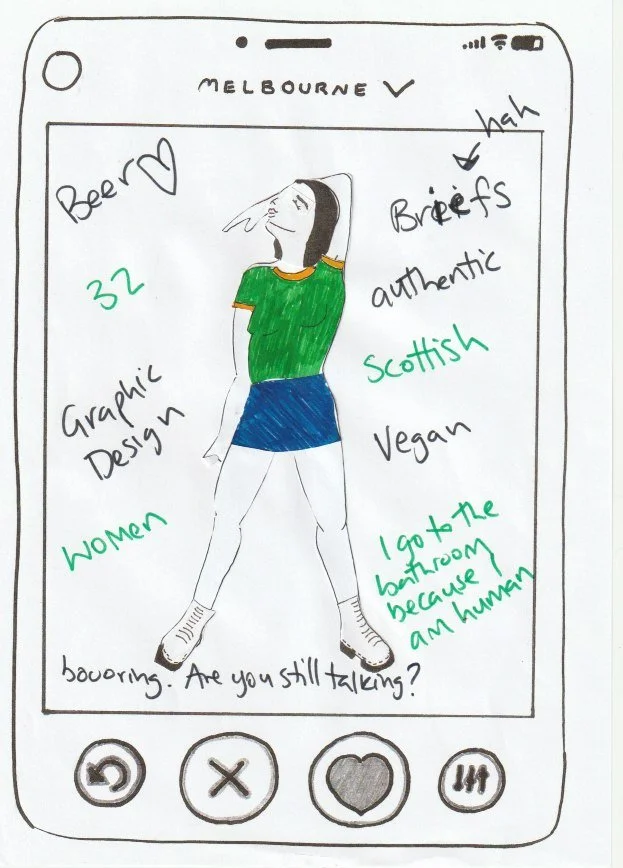
Ava
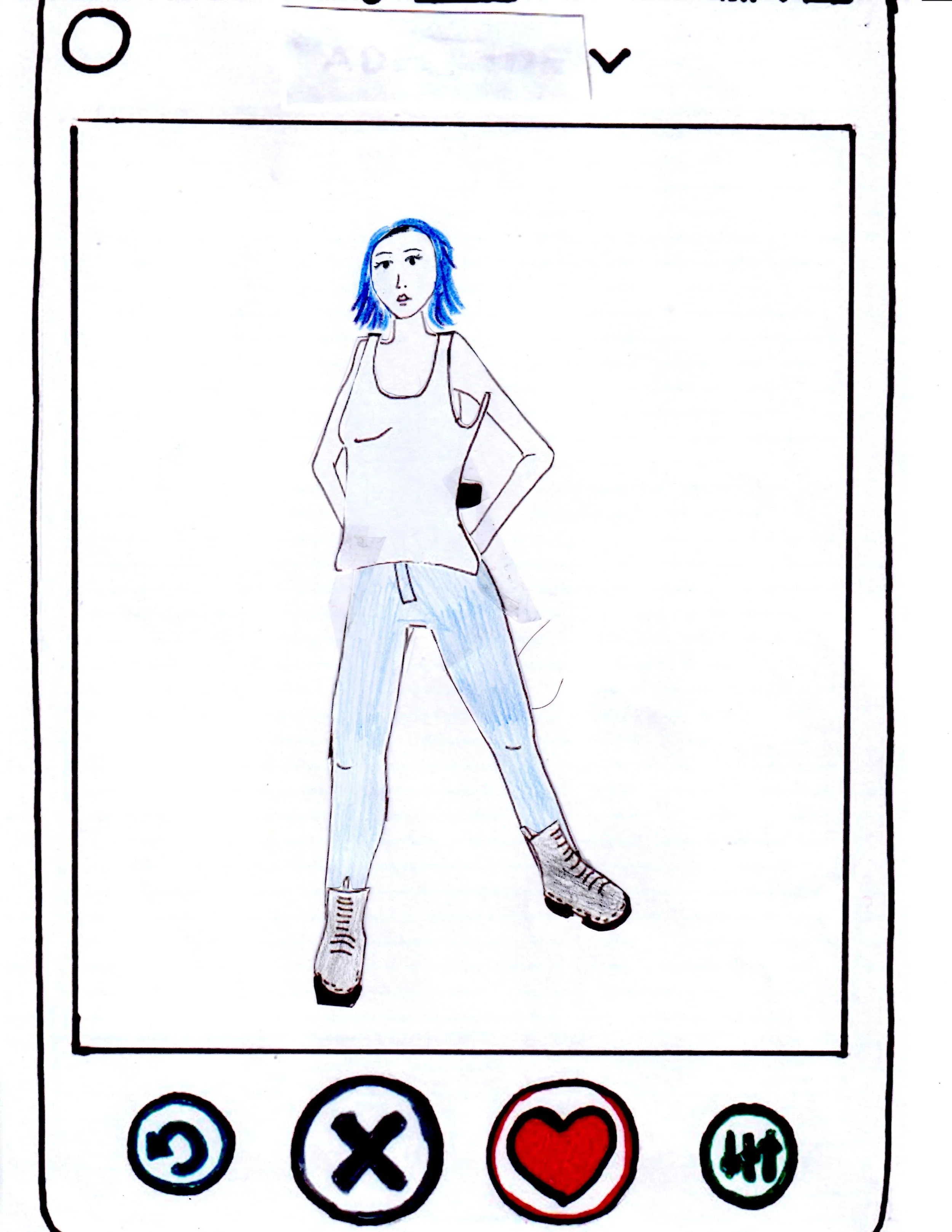
Cassie Cassie identified herself as a “dancer” and had only ever worked in no-contact strip clubs. She started stripping to earn money as a student wanting to travel, and ended up staying in the industry much longer than she anticipated. Cassie was not working at the time of the interview and kept her private life and stripping history very separate. Cassie appeared confident, highly educated, and well spoken. Cassie was introduced to her current partner M, when M came into her workplace with mutual friends, and they have been together ever since. On how the level of body work she undertook decreased in her day-to-day life when she was working in the strip club: When I was at uni, I used to wear like, like I’d do my makeup for forty minutes to go to a lecture! And that was just out the window. I think in a way Cassie, or my dance persona, helped me refine myself more. I know who I am more, [to] be less apologetic for who I am.
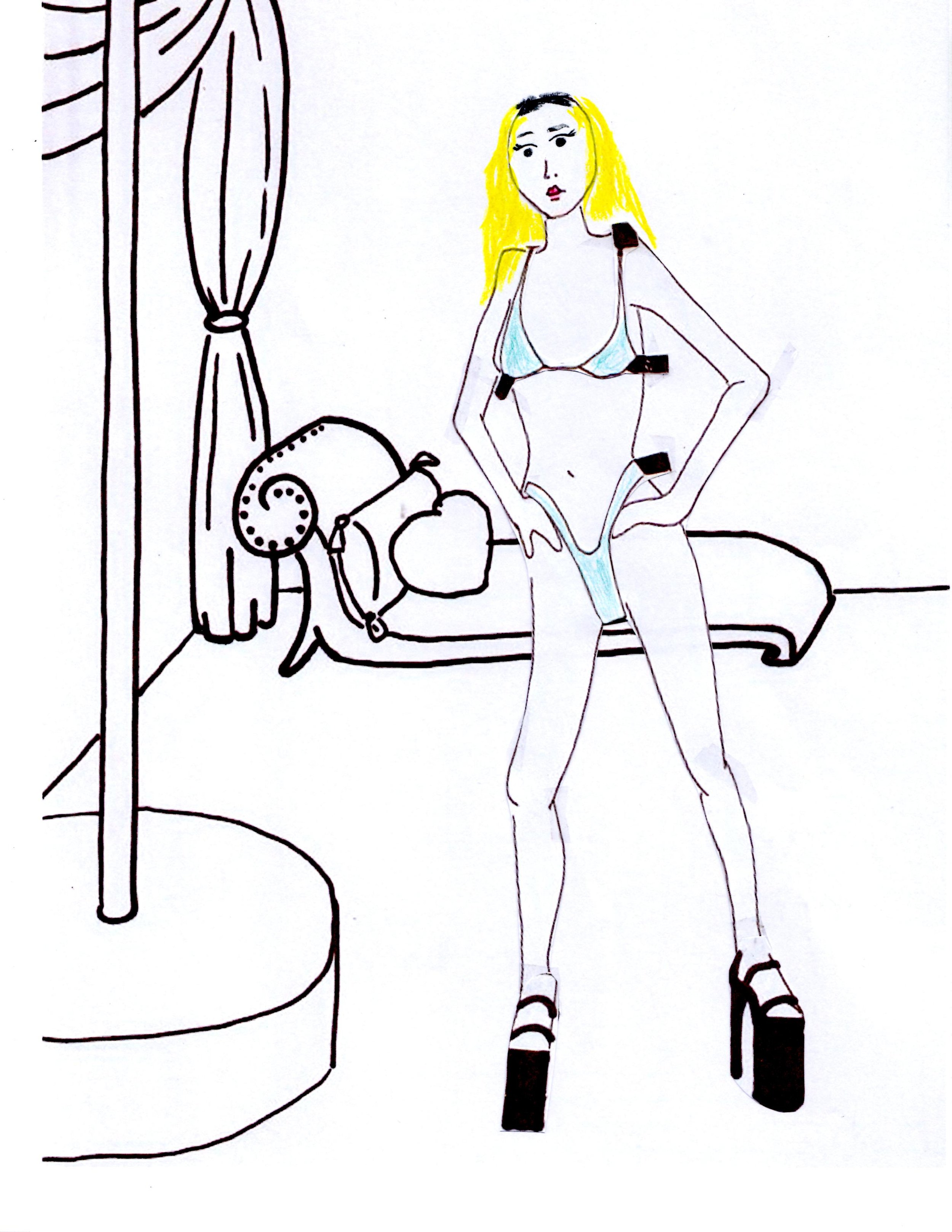
Cassie
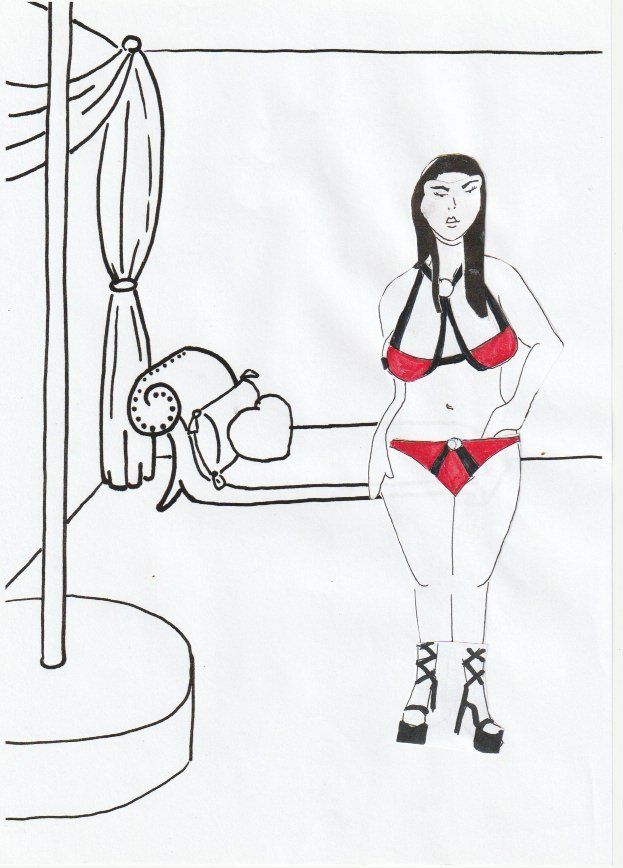
Charlie Charlie’s career in sex work began when she was 18, and a university student, and had started doing sex party hosting with a boyfriend of the time. Charlie seemed to have really found her niche doing escorting, providing a girlfriend experience rather than more paid-by-the-hour type work. Now 23, Charlie was questioning whether this was a long-term career option for her. Charlie on facing whorephobia from inside the queer community: There’s pockets in the queer community [where] I’ve got some really good friends who are super accepting of what I do for work and have seen me through lots of different stuff, and talked about it with me, and are interested because it’s my work and its’ my life, but not interested in the … same way that people are interested in the, you know, bad stuff… But then there’s also these pockets who are just like just like “well you can’t be a true queer, if you’re doing this then”…I think there’s a lot of judgement there still, and I think people try really hard to say that the queer community is accepting, and of course it is, it’s so accepting, but there’s still so much toxic behaviour in that sense and … sex workers are already fighting for so much. Like we shouldn’t be having to fight for ourselves in a community that is all about acceptance.
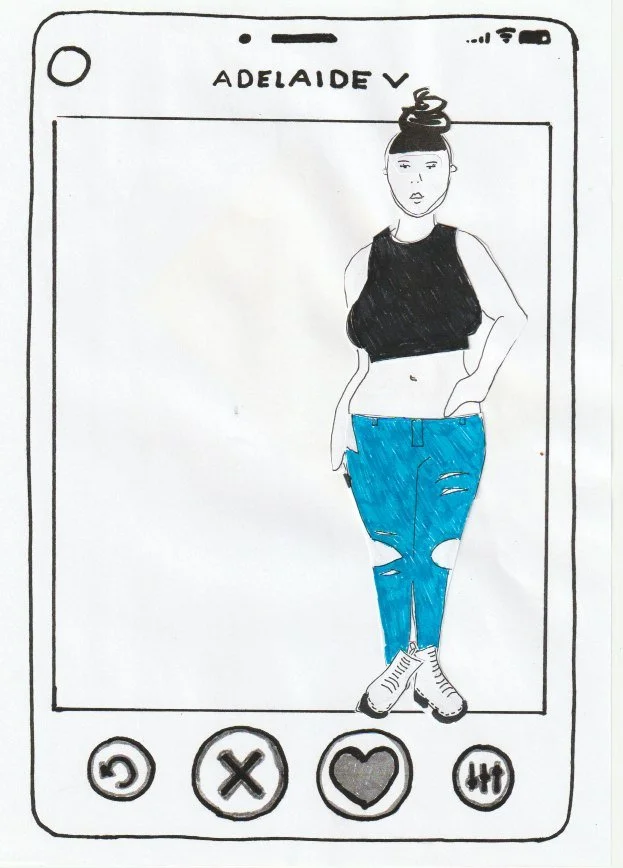
Charlie
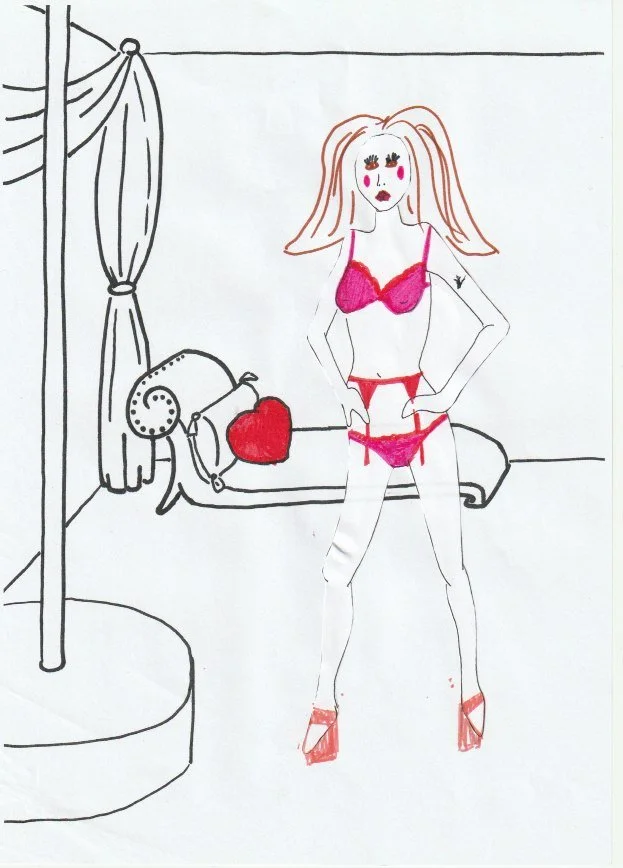
Chloe Chloe had only been working for about four or five months at the time of interview, after running into financial trouble. Chloe was in her mid-thirties and had dated men exclusively until coming out as queer in her late twenties. She was known to me before the research, and the interview, held at her house in the company of her cats, was relaxed, reflective, and insightful. Chloe had had an overall positive experience working at a massage parlour which included good relationships with her predominantly straight work colleagues and management. She had not done full-service sex work. Chloe was out as a sex worker to people that she was dating, and had a few sex working friends, but was largely not out to her wider friendship circle or Italian family. Chloe on how her lesbian friends gave her insider information when she was considering sex work as an option: I approached some friends, a lesbian couple who are escorts, and basically said to them like, “run me down, I’ll pay you … for your time and for your, for disclosing this information you know. I appreciate you’ve worked hard to get where you are and I don’t want to take advantage of that in any way”. So, and they were super lovely, they were like, “come over,” … “happy to help you”. So, I went over and literally we sat down and one of them gave me like a pad of paper and a pen and was like, “right, ok”.
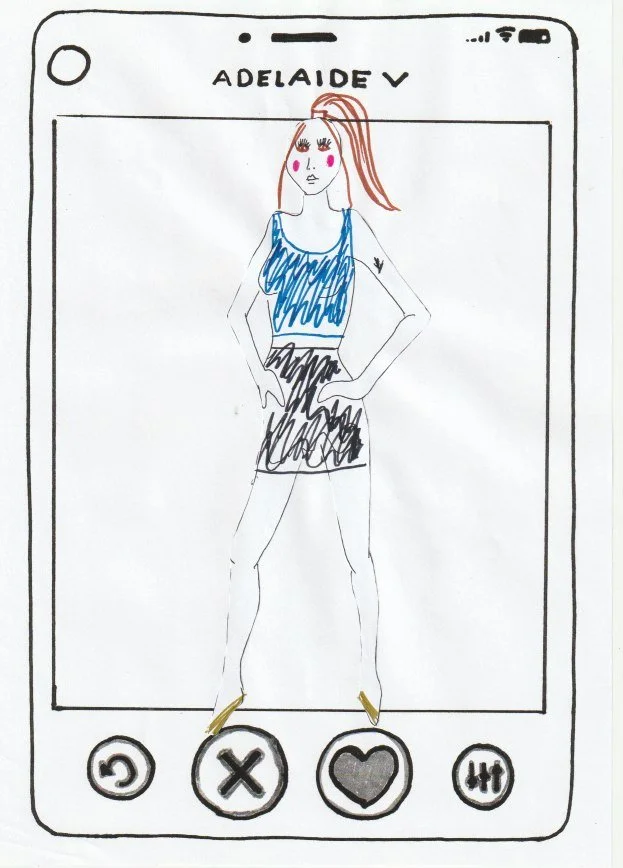
Chloe
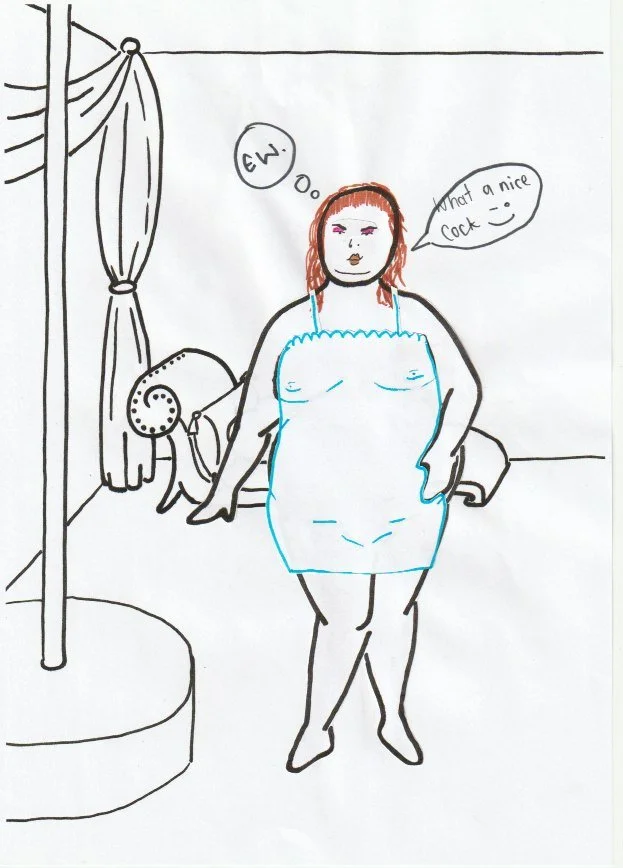
E E was 21 at the time of the interview and had been doing sex work in Adelaide out of her private residences since she was 16. E used sex work to supplement her welfare income and did not know any other sex workers, having always worked alone. She didn’t identify with having a queer community but identified as queer because she rarely dated men. E presented as quite socially isolated and relished the chance to speak to someone about shared experiences through the interview. E on how she managed to work with men as a lesbian: I mean there’s vegetarian chefs that cook meat so… So, it’s just a job, yeh (laughs).
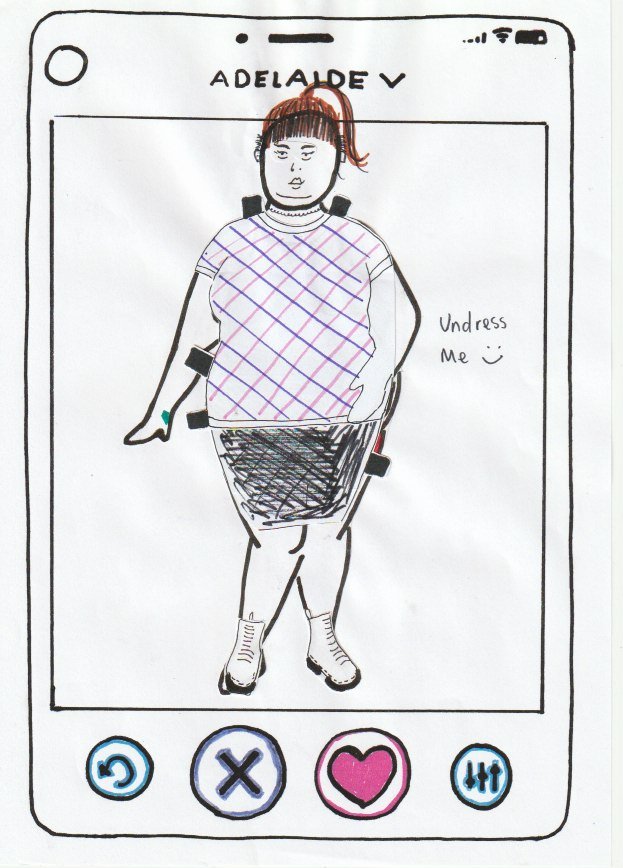
E
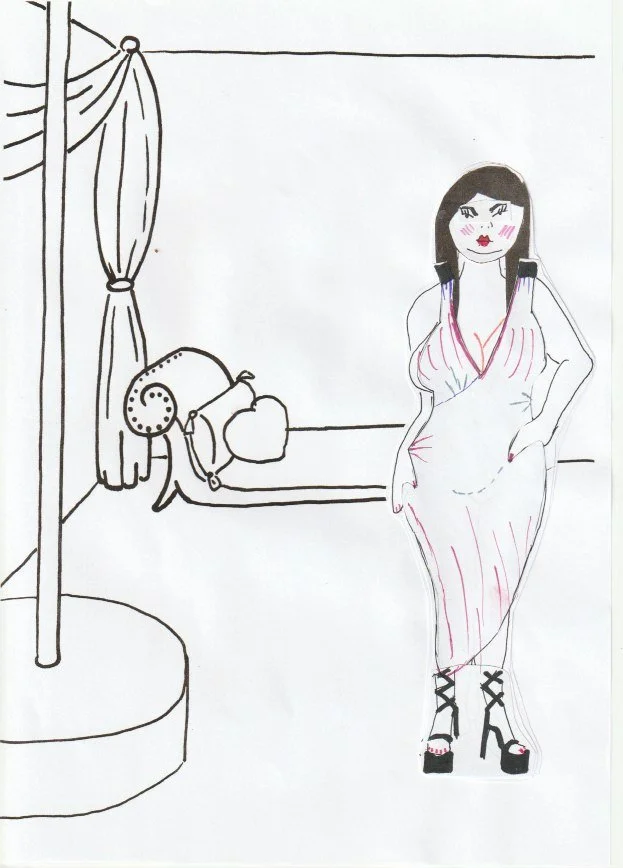
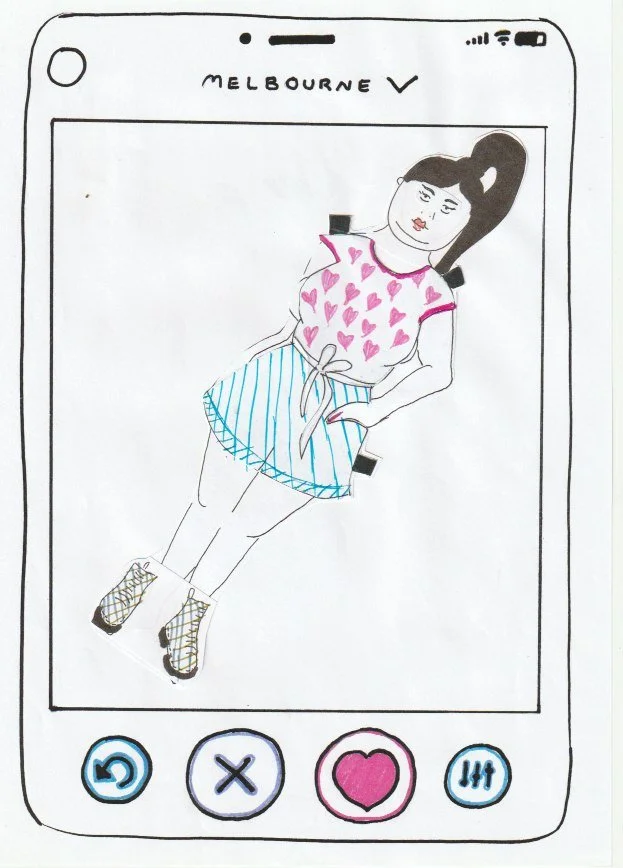
Elyse Elyse had previously done full-service parlour work for about 10 years and she had just returned to the industry after a long break, hoping to find a better balance between work and her lifestyle. Elyse had worked in Queensland, Sydney, and Melbourne. She spoke about how class intersected with her identity as a non-heterosexual woman and her sex work career to make her feel most comfortable describing her identity as “femme”. Elyse spoke about living as a lesbian separatist in the past, and showed a firm understanding of lesbian history, class politics, and anti-establishment sentiment. Elyse on the way some parlours seek to solidify their high-class identity by providing grooming packs for their clientele: It’s all hocking your hole, like it doesn’t matter where you’re going. On how she relates to younger sex workers who inhabit a more gentrified section of the industry: I come from somewhere much more rural … than a lot of people, and I didn’t move to a big city, and I didn’t move as soon as I was eighteen. Huge mistake. So, I think if I had’ve gotten there, where everyone else is now, a bit sooner, I wouldn’t feel like, you know, like such a big pouty outsider.
Elyse
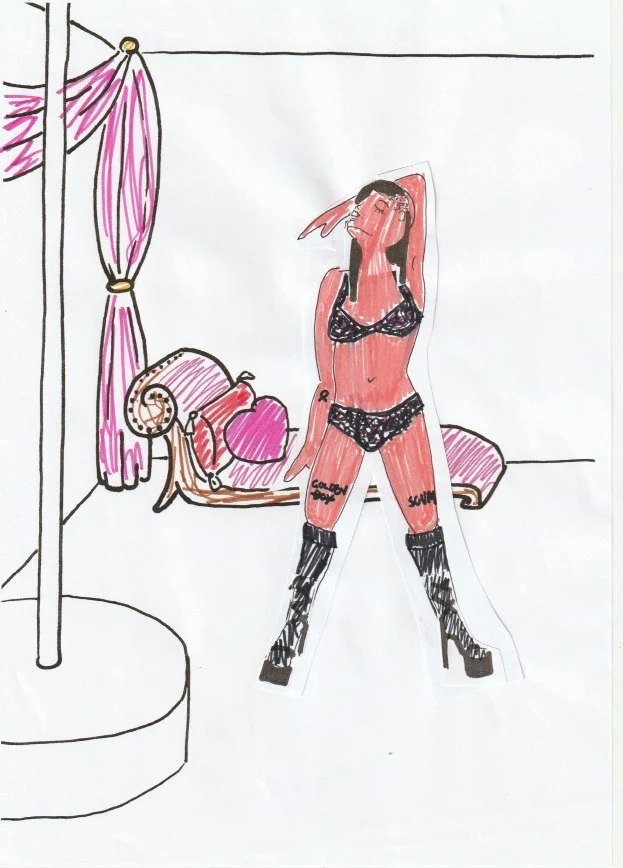
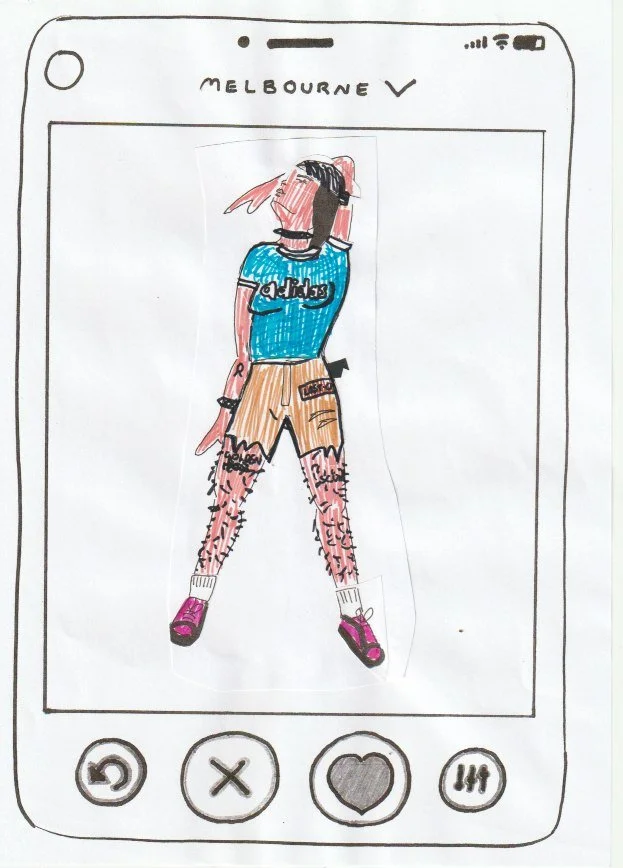
Erin Erin began survival work when she was kicked out of home at 15 years old in her regional hometown. She was in her late twenties, and she had worked both before her gender transition presenting as male, and after transition in a trans-specific brothel setting. At the time of the interview, Erin only engaged with one regular private client to provide a fetish service. With an undergraduate degree in sociology “hanging in her toilet”, Erin loved the craft project, seemed at 87 ease speaking about sex work in a peer setting, and identified the queer community, along with being a trade unionist, as very important to her sense of self. Erin had a girlfriend and many lesbian and queer sex worker friends. Our matching political tattoos created a space of political alignment, familiarity, and trust between us. Erin on the progression of her understanding of her own trans identity and how it correlated with her sex work; It sort of took another bout of like being a rent boy, in like in brothel circumstances, for me to go “oh that’s what I hate about men” … I fucking hate like, like I hate their bodies, I hate the way they smell, I hate that my body looks like a man’s body, I hate all of these things, I hate everything that intersects.
Erin
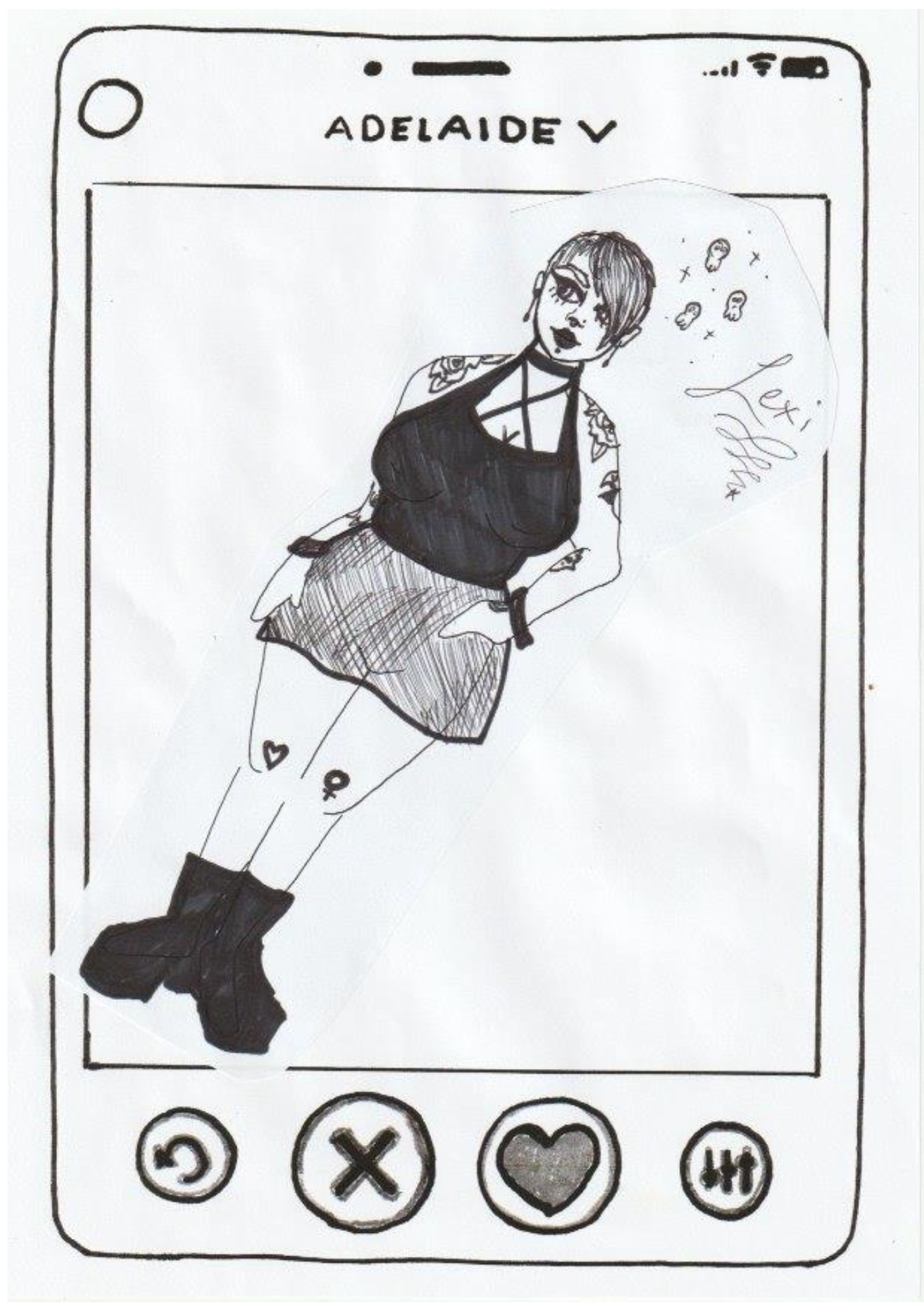
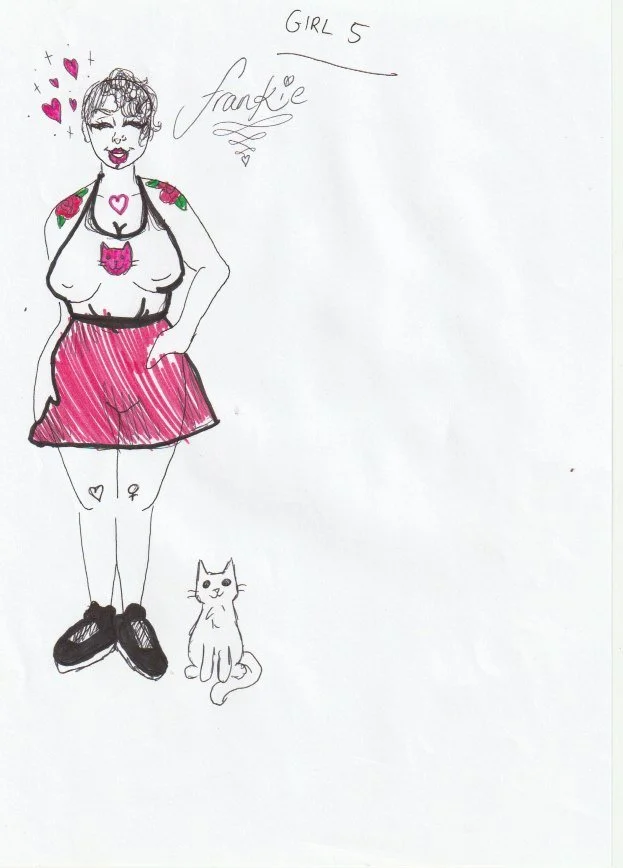
Frankie Frankie, a visual artist, was very clear about her work only being BDSM dominatrix, non-sexual contact. She was softly spoken, covered in tattoos, and spoke openly about her relationship and sexuality, chronic health conditions, and trauma. Frankie reflected a lot about her challenges in 85 finding community when her identity has shifted over the years. She currently identified as grey- asexual. Frankie on why foot-fetish work is her favourite aspect of the industry: Some people hate their feet being touched… I couldn’t care less … If someone wants to sniff my feet and give me money, then like go for gold you know! On what motivates her style choices outside of work There’s a part of me that wants people to be like, “she’s not wearing make up!” you know, and want people to feel uncomfortable and questioned, you know, by my fatness in public, by my underarm hair, by my shaved hair, and lack of makeup. Like, I want people to be like, “hmmm I’m uncomfortable,” and then sort of think, “why am I uncomfortable?”
Frankie
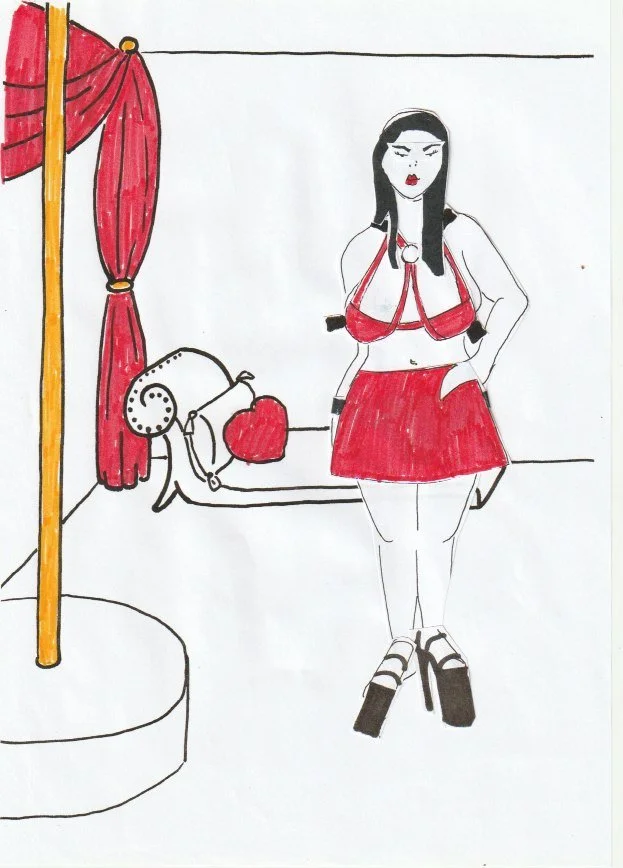
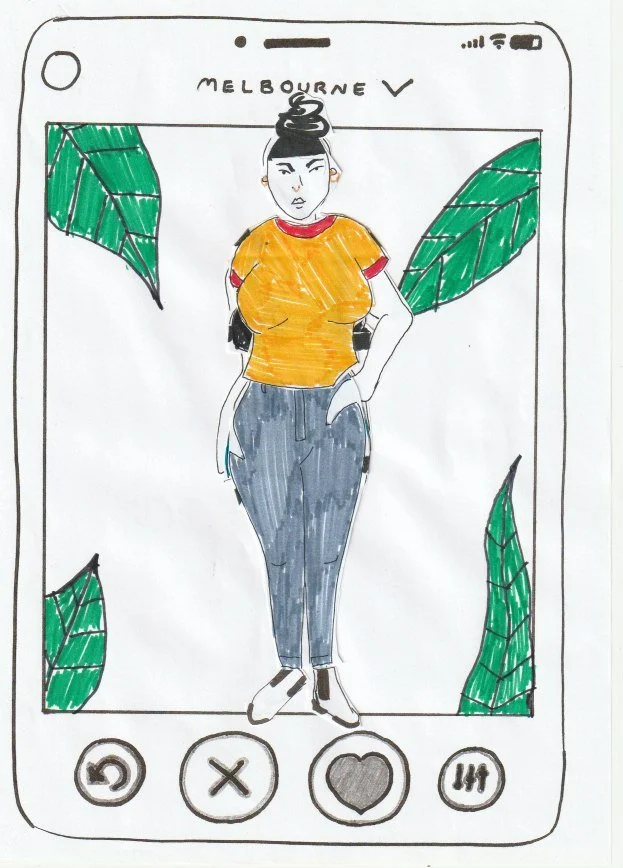
GG GG was voluptuous with a husky voice and a self-assured presence. Now in her mid-twenties, she had worked for seven years, predominantly full-service in brothels. GG spoke about wanting to leave the industry but not having a clear financial exit plan in place. She had worked in health care and had encountered violent men in both industries which had led to a mistrust and hatred of men in general. GG was open with friends and lovers about her work, and felt that disclosing her sex worker status was a good way of weeding judgemental people out of her personal orbit. On how she finds the sex industry to be accepting of her queerness: When you’re already marginalised, I think it can be easier and it’s like it is, like things have definitely changed like significantly and … we are living in a very lucky time to be queer. But it can still be difficult in everyday workplace and stuff, and I feel like the sex industry is a very accepting thing and it can be, it’s an easier place to be just who you are because there’s a huge amount of diversity and everyone’s there for their own reasons, and I dunno, there’s less judgement?’
GG
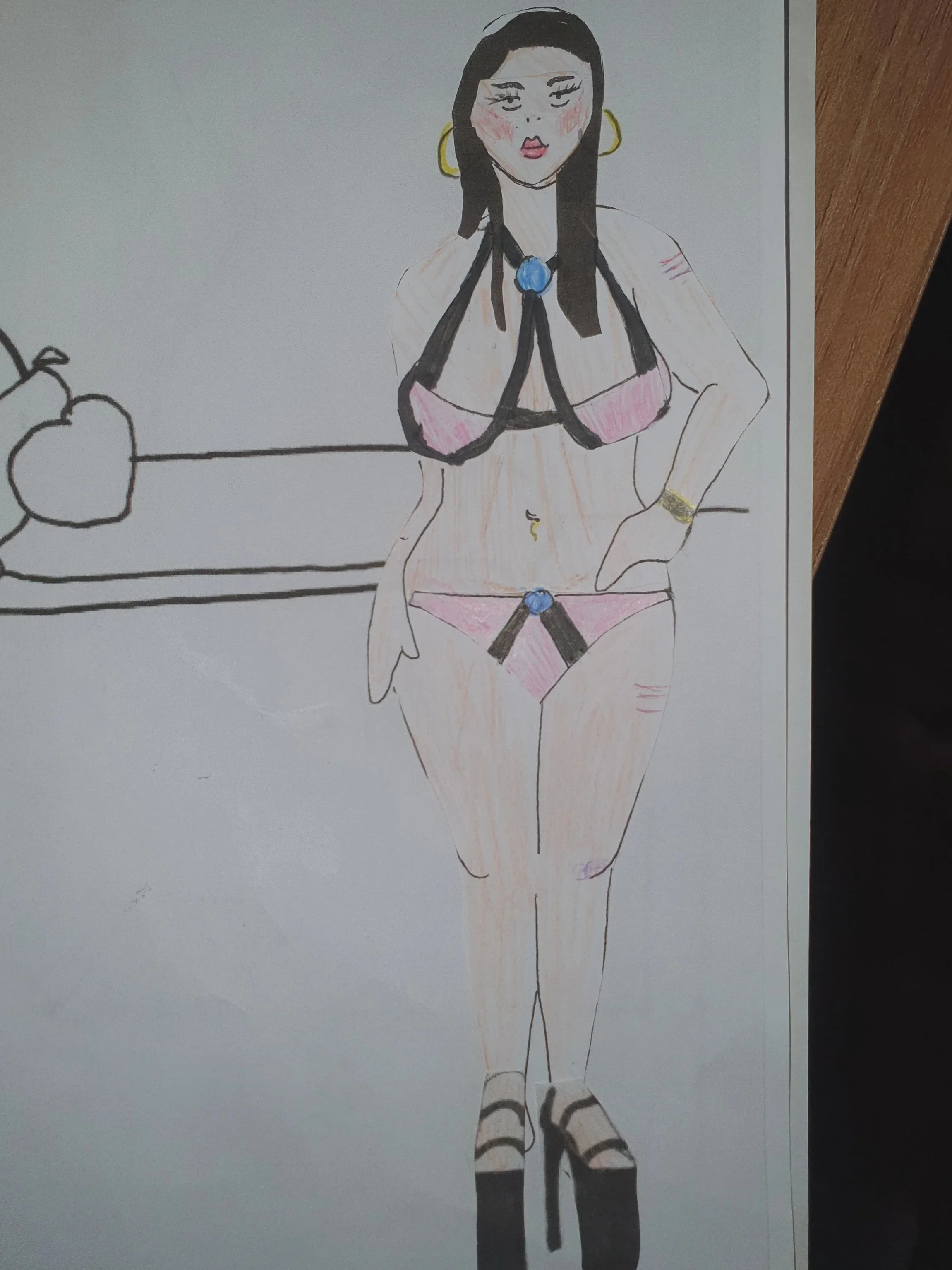
Lola Lola started stripping to support herself as a rural university student whose parents could not afford to supplement her study. She had danced in Canberra, and Sydney where she now resides. Lola was bubbly, politically self-aware, and humble about her privilege in relation to the whorearchy. Lola was in her early twenties and was only just coming to terms with her sexuality which she described as “gay”, after dating men exclusively in the past. She had successfully surrounded herself with queer women and stated that these platonic friendships currently fulfilled her intimacy needs. Lola spoke about disclosing her stripper status on her dating profile when she was only looking for sexual experimentation, but removing it now that she is considering relationships with women: 90 I just thought like some people … would see that on my profile as it is now and immediately like think that I’m like, really promiscuous, or like not really gay. …I definitely have had people say to me like, oh well you’re not really gay cos like you’re a stripper and you interact with men, and it’s like, mm, no, (laughs) I’m pretty sure.
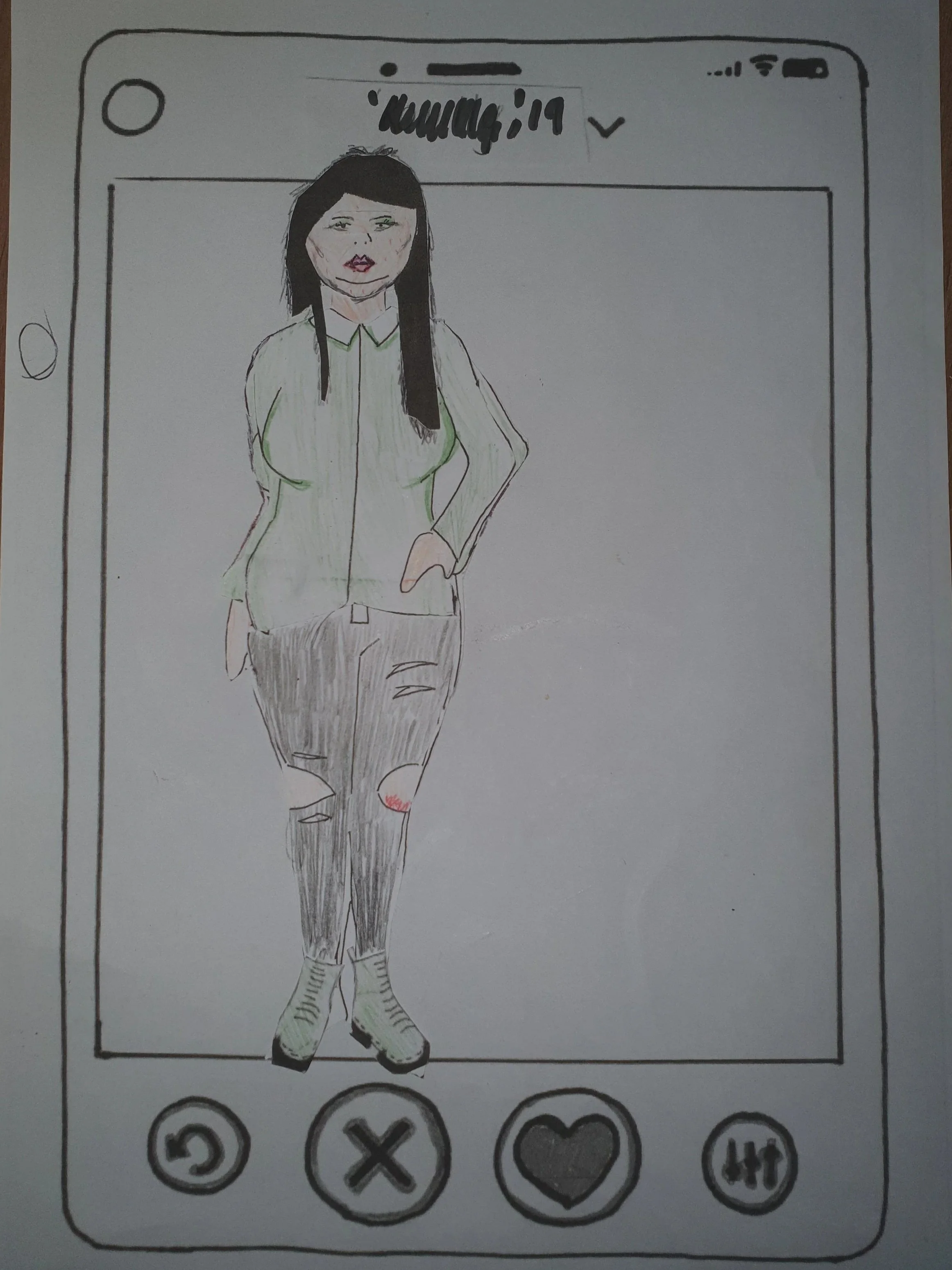
Lola
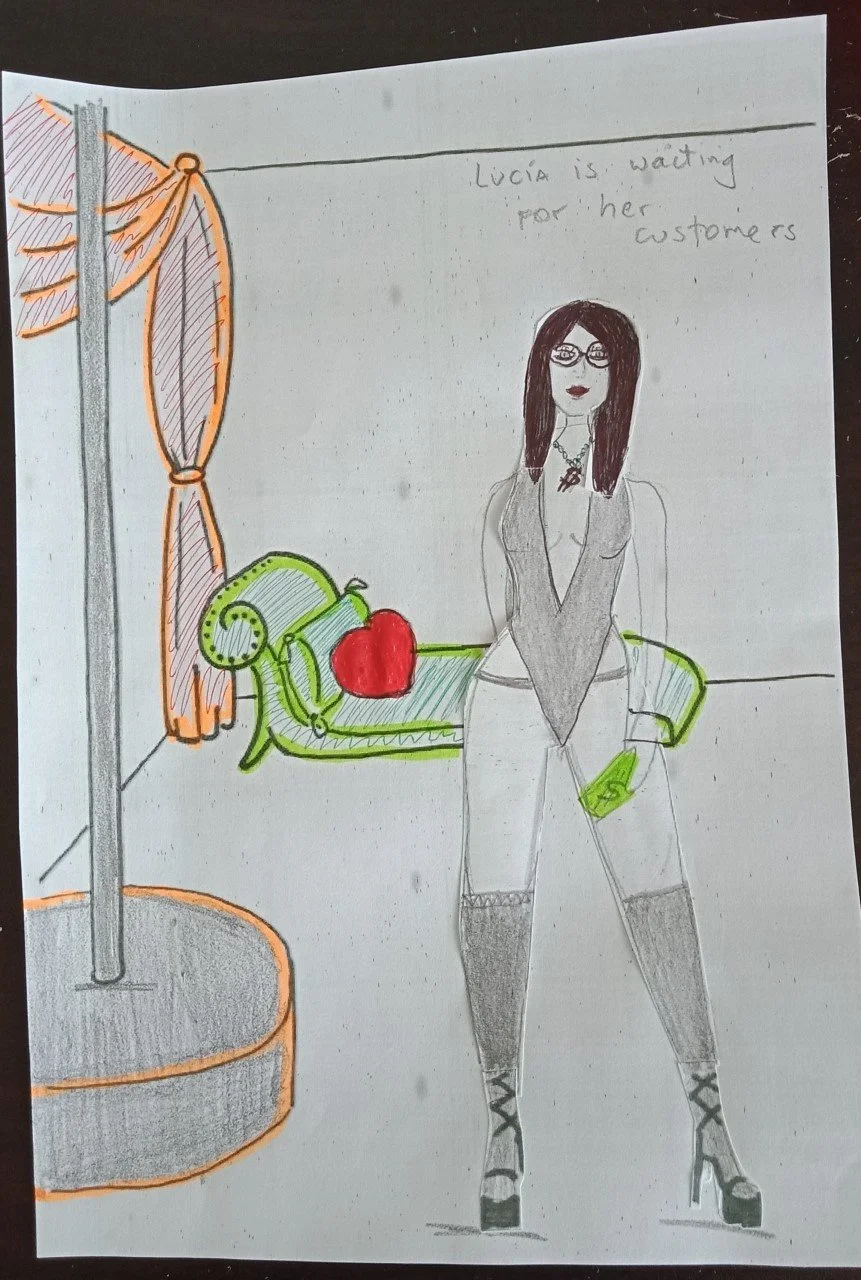
Lucia Lucia had begun stripping in New Zealand and was currently working in Melbourne (pre-COVID-19) in the same club she had worked at for four and a half years. Lucia was the only online interviewee who chose not to have her camera on, which aligned with her being probably the most secretive of all participants about her sex work in her life. Lucia was born and raised in Peru and her conservative Catholic family does not know about her lesbian sexuality – they believe queerness to be a mental illness requiring treatment – let alone her time in the sex industry. Lucia much preferred her time working in non-touching strip clubs. Lucia on her general experience of stripping: I mean I have bad days, as I told you before, but I, I could deal with it and I like the industry. I mean at the end it’s like any other job. You always have your upside downs.
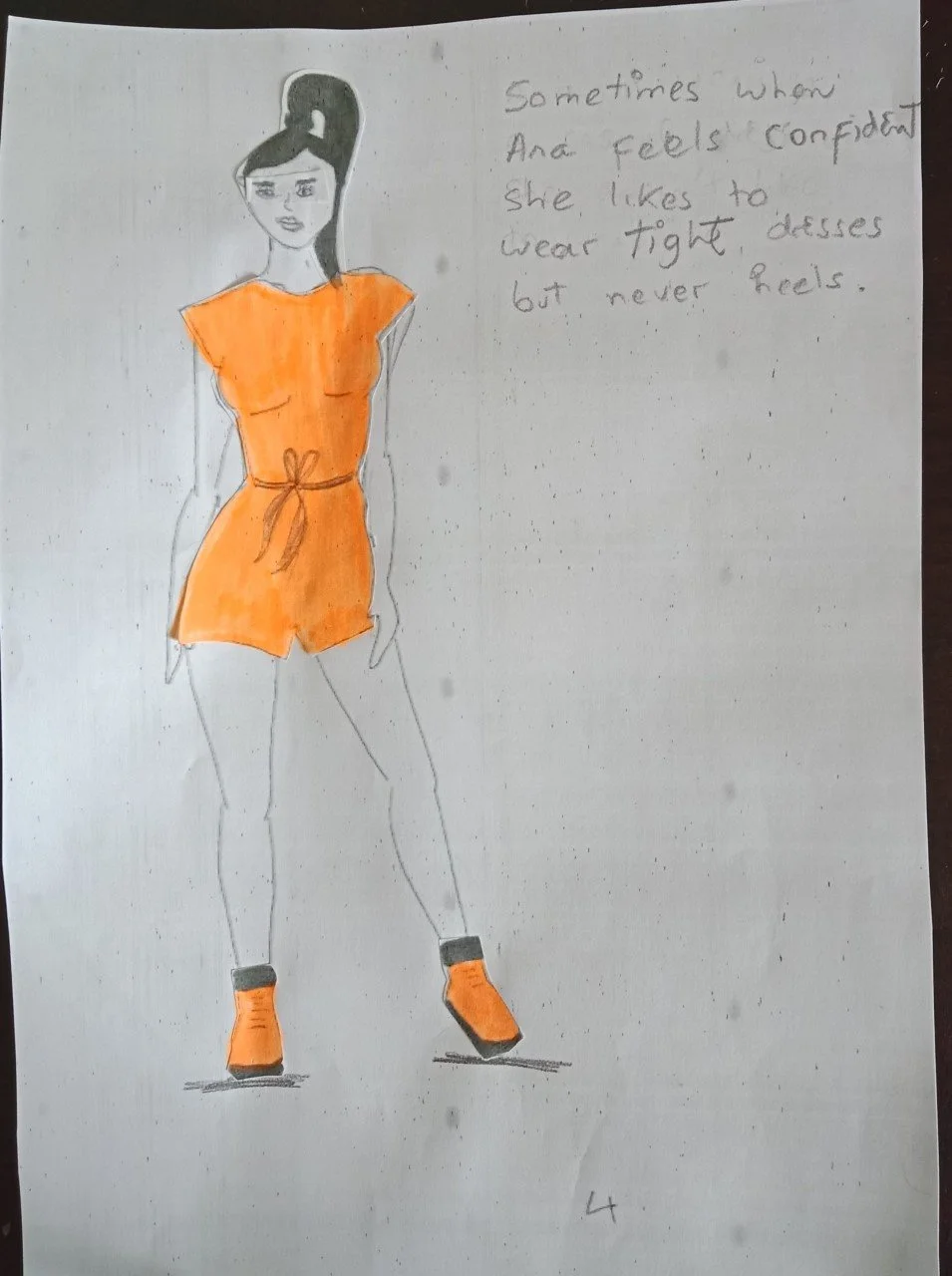
Lucia
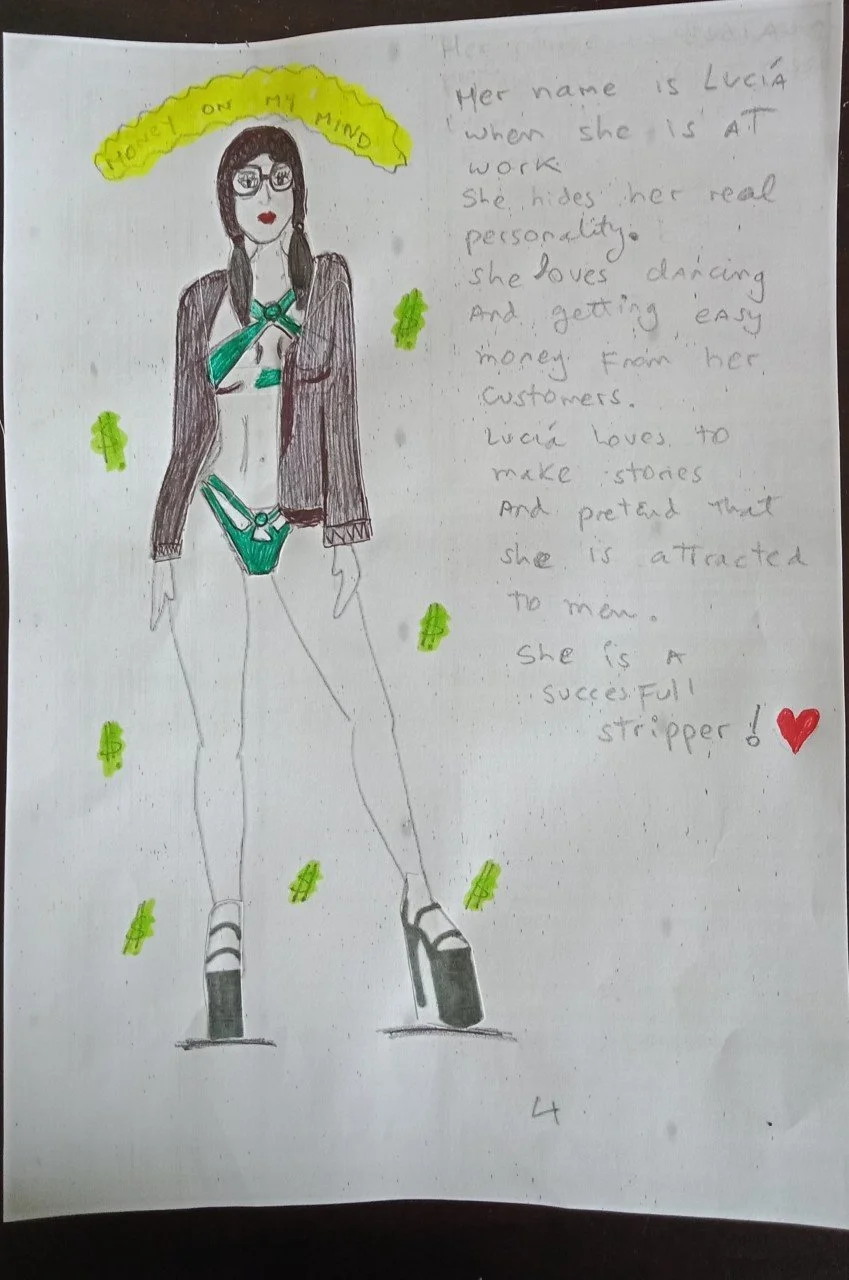
Lucia
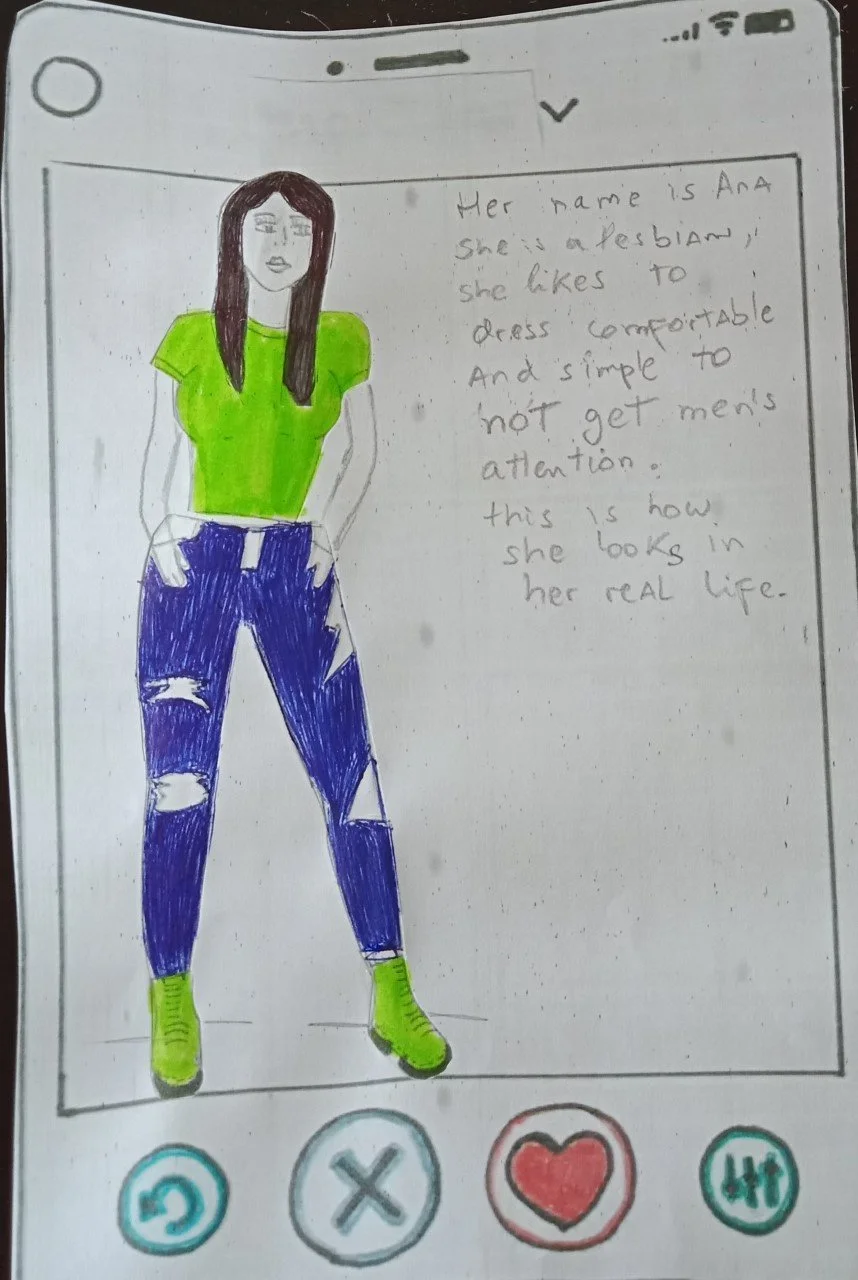
Lucia
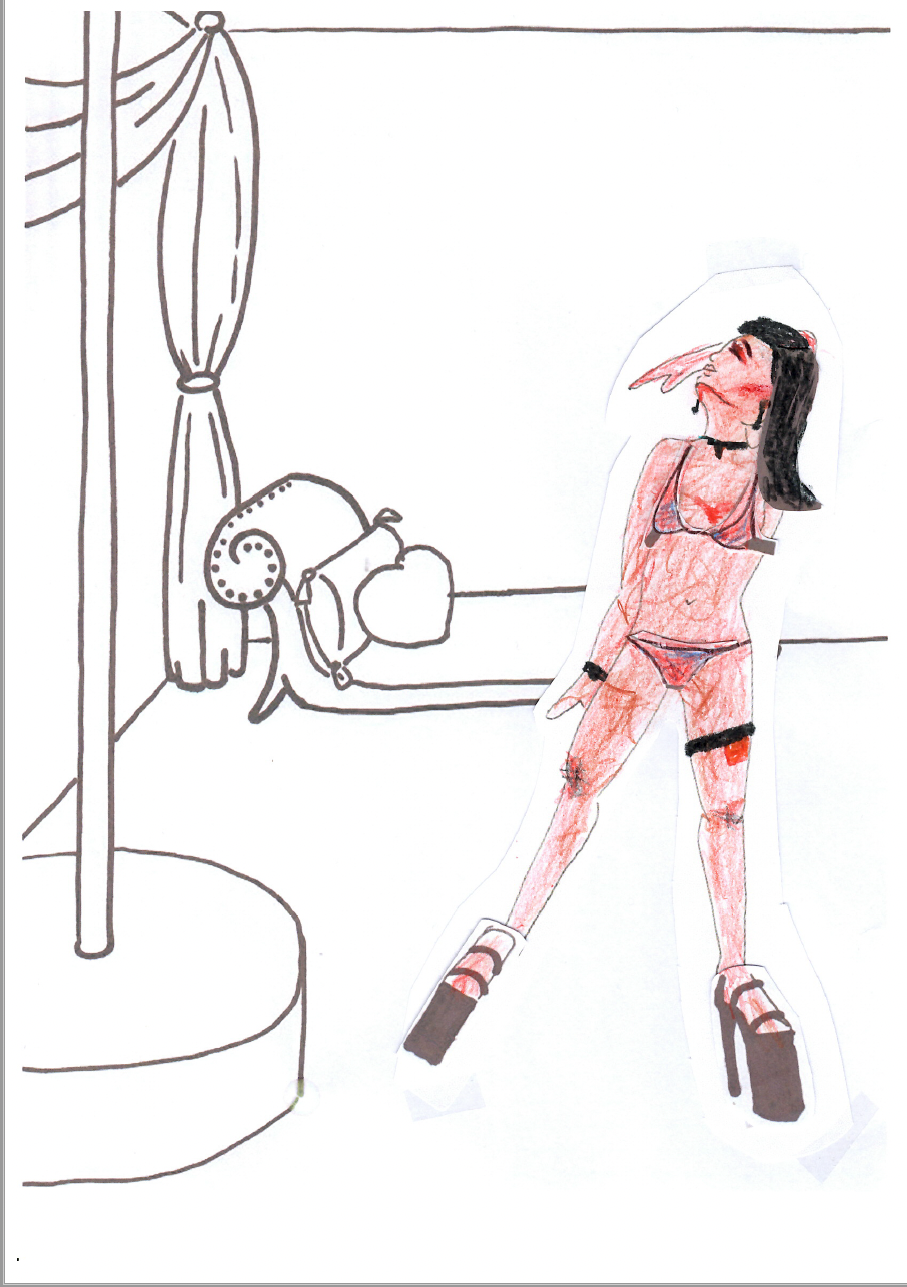
M M was Cassie’s partner and had worked as a stripper at only one club for about four years. She was the most typically masculine of all participants, and there was a slight language barrier at times, with communication further inhibited by the interview being online. M entered the industry after seeing how much money her girlfriend made, and had never had a sexual relationship with a man outside of work. M was born and raised in a Southeast Asian country and emotionally recounted the experience of coming out to her mother as a lesbian, and the cultural barriers to acceptance she faced for her sexuality. M on the first time meeting her now partner: I get in and dress up because it’s like a Halloween day, I dress up, put the like, I dunno, paint my face. And in that time like my partner she worked there, and she on the stage and the MC, he just asked someone to get up, you know, on the stage to get a free lap dance. And my partner just point at me like that. I want that hot girl… and that was me wearing like a ghost (costume) in the club and no one wear that, only me.
M
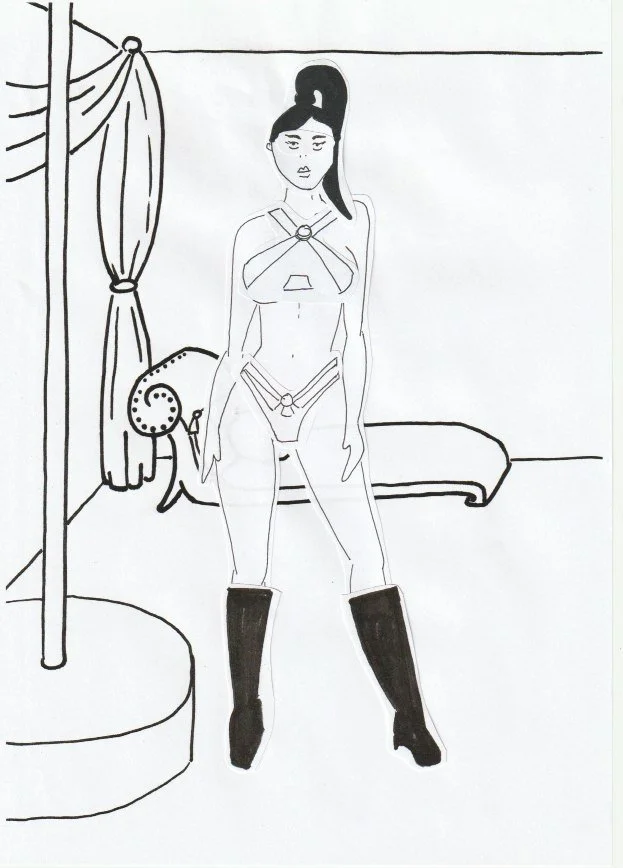
Paton Paton and I originally met when I was a patron in her workplace (a strip club) and described my future research to her. Paton spoke of her time in the strip club (less than two years) as positive, enjoyable, and something she missed. Her interview, which occurred in her home, was high energy and, at times, she contradicted herself. She discussed the frustration of appearing “straight” and struggling to assert her lesbian identity, which she had only recently begun to unpack when she started stripping. Paton said that stripping for men gave her sexual energy which she very much enjoyed until a current female partner became uncomfortable with the job. Paton on her experience of stripping for men: At first, I was very like “ew they’re pigs and they’re disgusting” and then it kind of turned into something like a power source for me, and I really miss that to be honest. I really miss having that in my life cos I feel I don’t get that from women.
Paton
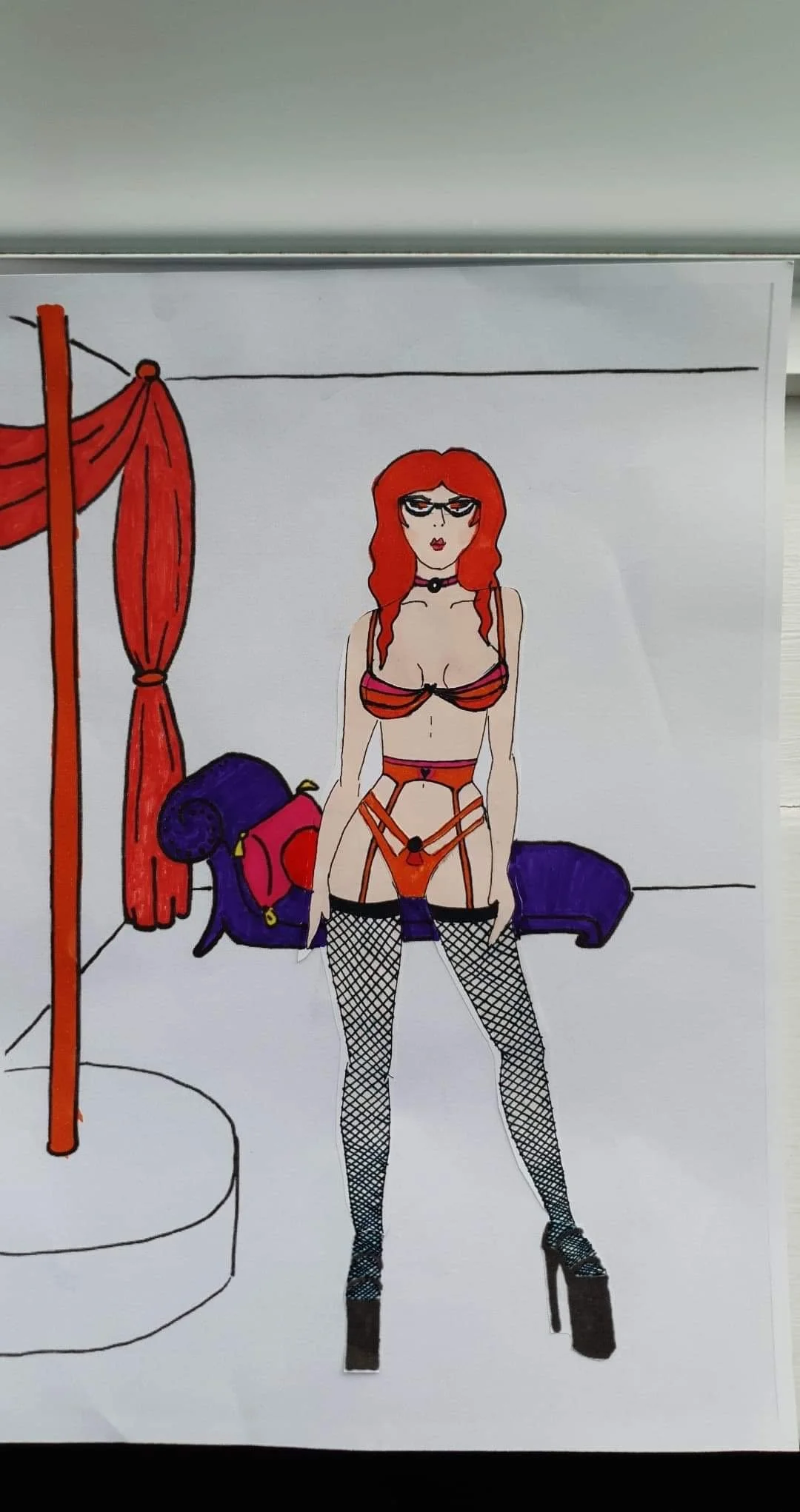
Sasha Sasha had worked in Adelaide as a stripper for three years, as well as being a member of dance and performance communities. Sasha had been out of the industry for a year at the time of the interview. She described her sexuality as “queer” which, for her, meant there was a possibility of attraction to anyone who was not a straight, cisgender man. Sasha said that spirituality and taking care of her mental health were important to her. Femme invisibility and the struggles of being a femme appearing lesbian was a continuous topic of our conversation. Sasha on how she explains the prevalence of women-on-women relationships in the strip club: It’s that familiarity and it’s that trust and love I feel like a lot of the girls … you know have their experience with girls who are in the industry because we understand each other.
Sasha
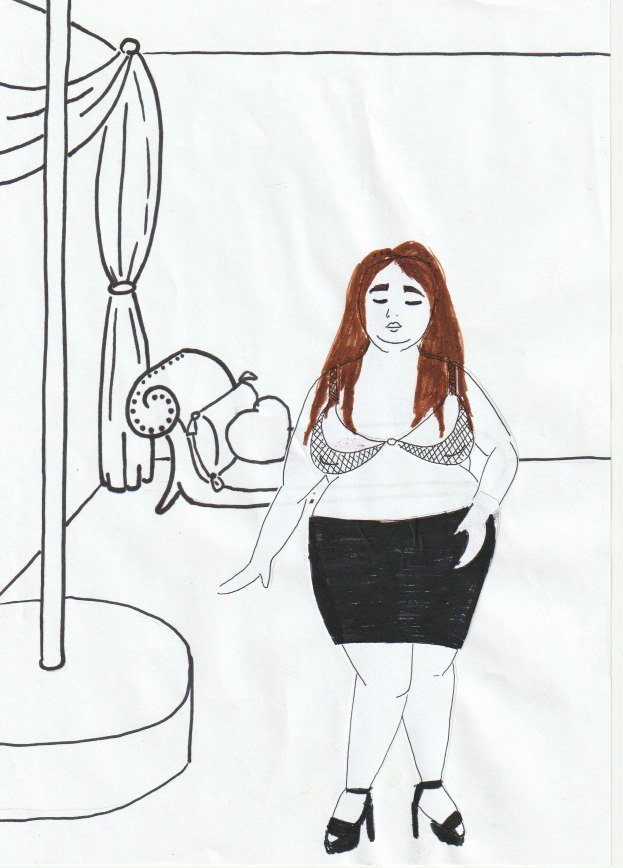
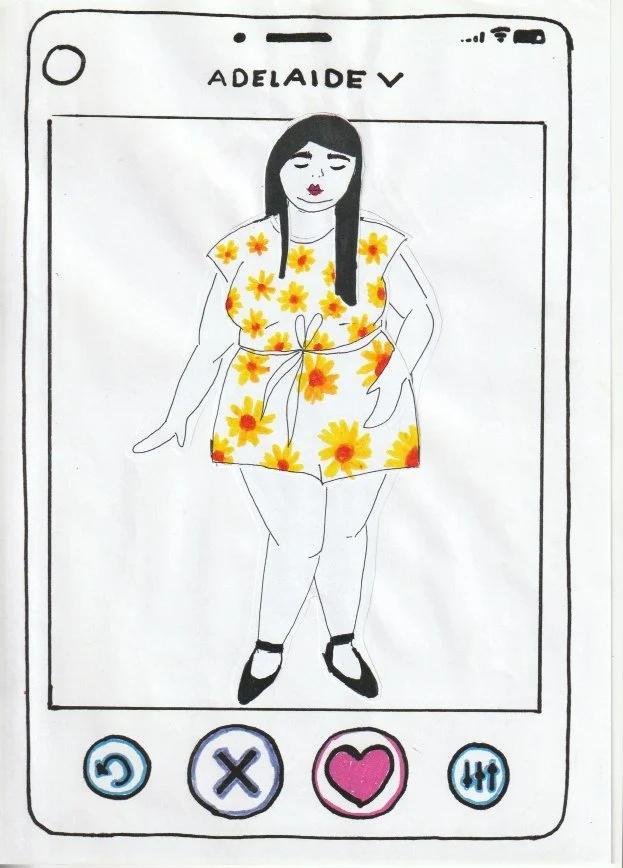
Harmony Harmony had been working for almost three years. She currently provided full-service sex work in brothels in Adelaide but had started her journey as a private full-service worker. For Harmony, being queer meant that she only had sexual attraction to men when it was paired with emotional connection, which never occurred in her work. She lived with a housemate who also met the recruitment criteria for this research. Harmony presented as confident and a skilled actress. Harmony on her sexuality: It’s only happened a few times that I’ve actually been sexually attracted to a man like…There are just a few unicorns out there… On how she manages to work with men: I’ve always said there’s no such thing as an ugly hundred dollar note.
Harmony
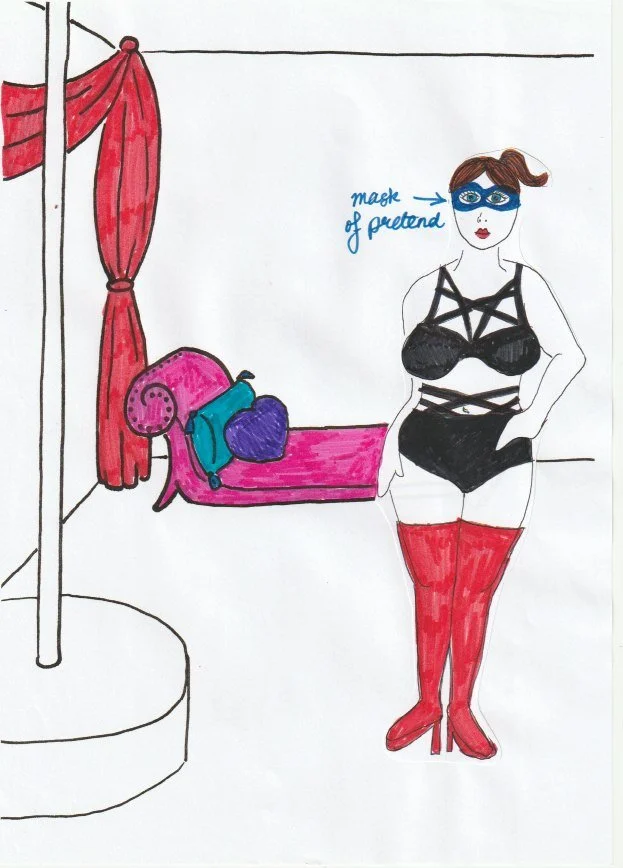
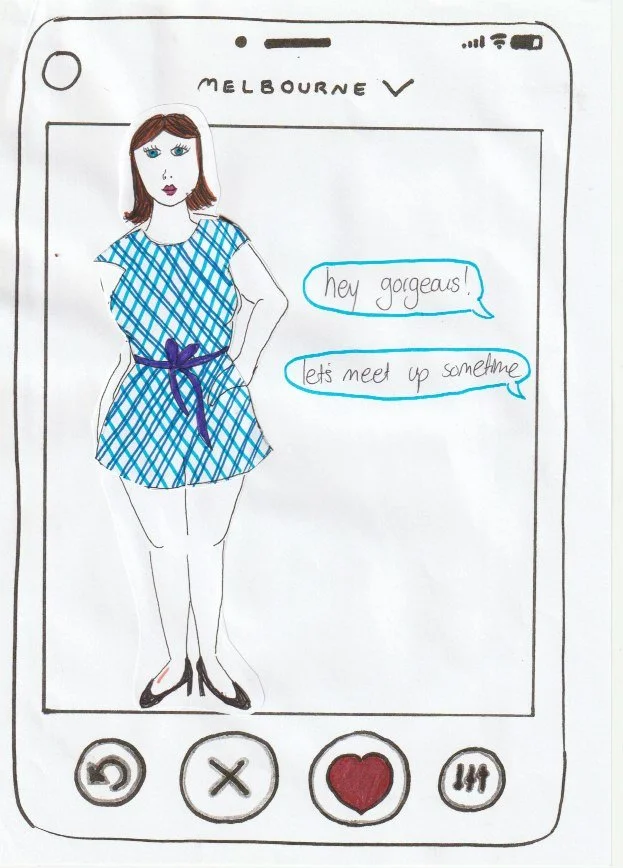
Bella Bella began her sex work journey by engaging with sugar daddies, moved on to agency full-service work, and currently worked privately as well as managing the admin of a few other workers – the only participant to speak of managing other sex workers in any way. Bella identified herself as “heteroflexible” and polyamorous, and had a non-binary AMAB partner and a girlfriend. Bella on how polyamory interacts with her sex work: I’m glad I’m poly cos I don’t want to have to stop doing what I’m doing for work. And I think it would be unfair to be monogamous doing this kind of work, even though its different, it’s not romantic …. I just think it would be unfair… like if I was saying to them, you can only have sex with me but, oh sorry, it’s my work. I’ve gotta go fuck all these people, even though it’s not enjoyable … it’s a bit rough, you know?
Bella
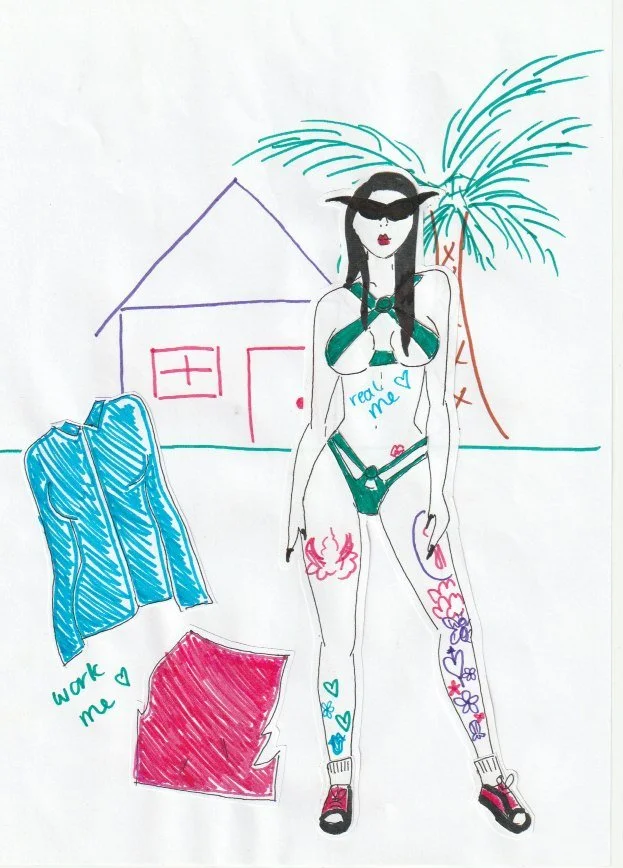
V V predominantly worked “independently” in Adelaide, currently doing doubles strip shows and party bookings with her partner, April. V felt that she could be her true self during these bookings, and prioritised fun and enjoyment in her work (as well as money), but this did not translate to sexual pleasure. V also held down a government job and felt that this would be in jeopardy if her employer found out about her work. She also kept sex work and her sexuality a secret from her family. V was in her mid-twenties and had done a number of informal sex work jobs over the last four or so years. She said she liked the attention. She aspired to get a strip club position as a more solid financial option. V on how authenticity is a part of her marketing strategy: I used to try and have more of a work persona where it would be like, ok I’ll just switch off like I’m not really gonna be myself. I’m just gonna, like you know, do my thing and just leave it at that. But it’s kind of hard to maintain and it’s like I don’t want to go down that rabbit hole of like pretending to be someone I’m not … I try to just be chill. I try to just have a good time and guys respond to that like they appreciate that. (V chose to do one composite image of her identities)